Tag: Enterprise

  • It’s International Compost Awareness Week! Here’s lots of ways to get involved for 52 weeks & more

    Over seventy years ago the 
    organic agriculture pioneer 
    Sir Albert Howard stated :
     “The health of soil, plant, 

    animal and man 
    is one and indivisible”

    Taking care of the soil where we grow our food, making compost, reducing waste, healthy eating, exploring the ‘circular economy’ of growing plants, beginning to understand the web of beneficial organisms that exists below and above ground:  

    our gardens, kitchens, eating and shopping preferences are the forums for all of these.
    We can all learn more and make our own contributions even more valuable, right here in Tooting.


    Wandsworth Borough Council has published a post in its website about food waste and composting, and we’re copying some of the links here because they are accessible and practical ways being offered this spring and summer to learn more and share experience.

    • Firstly, there’s the Wandsworth Composting Project – all the details are here in this flier. TTT and other partners are contributing too.
    • Secondly there’s a practical workshop on composting skills on June 4th at Bramford Community Garden – here’s the flier.
    • Thirdly, there’s the Grow Your Own at Home! gardening classes sponsored by Be Enriched, taking place near Tooting Broadway and starting on June 10th. Here’s the flier.

    In June and early July there are further public compost advice sessions planned – when the dates are fixed we’ll share them.

    Home composting may look like a dark art: 
    these events will share the skills to demistify it for local residents.

    The Wildlife Gardening Forum has a website that’s a treasure house of experience, including a good web page on soil and fertility: click here to read it.

    Home composters provide a community service as well as benefiting our own gardens by returning organic material to the soil. We remove kilos of kitchen waste per household every week from the borough’s waste transport and processing. That borough service has a carbon cost as well as a financial cost – we can reduce both costs by working with our waste to recognise it as a valuable resource.


    Wandsworth Food Partnership  is complementary to these topics. It’s been developing over the past year as a network of people and organisations interested in food in Wandsworth. That means community groups, enterprises, charities, churches, gardens, schools, the health sector…

    Taking part is not restricted and maybe in time there will be thousands of members including families and individuals: all contributing to developing the local food culture in diverse ways.
    There’s a WFP facebook page, please get in contact for more detail.

      You’ll see our priorities on the WFP shopping bag:
      > Working together
      > Reducing food waste
      > Sustainability
      > Cultural aspects of food
      > Healthy eating
      > Physical activity

      Over the next twelve months the partnership is going to act as a hub: inspiring, celebrating, sharing, linking and reaching out to as many local groups and people as possible in each of these priority areas.

      These food priorities can all interrelate locally to inspire a positive food culture in Wandsworth. 
      In a similar way, soil organisms combine to create good compost in our gardens….

    • Wandsworth Oasis UPFest: Tuesday 3rd November

      ‘It’s all about waste’  That’s how Gill Perkins, CEO of the Wandsworth Oasis charity, describes the driving theme behind UPFest: the Oasis event on Tuesday November 3rd:

      All welcome to a fun and original evening: a catwalk and showcase of the joy of upcycling clothes and textiles. 
      TTT are proud to be involved via Jeni Walker and her initiative Sustainable Making and Arts TootingSMArT

      Location: the Oasis shop at 234-250 Mitcham Road, Tooting SW17 9NT
      Timings: 5:30pm to 10:00pm on Tuesday 3rd November.
      More UPFest details online here– entry by donation.

      Jeni has been making scrap silk skirt scrunchies in World AIDS Day red – available on the night next week. Here she is last week in the decorated window of the new Oasis shop at Amen Corner in Tooting:

      Oasis supports local people who are affected by HIV and have successful charity shops around the borough. Gill and the team work (tirelessly) to sell as many of the items donated as they can, but inevitably there is still so much that may be fated to become landfill. 


      Charity shops are a key local and affordable route for helping us all to ‘Re-use, Reduce and Recycle’. Shops across the UK may not think about this, but they are in the front line of supporting low-carbon living in the community and that should be celebrated.

      Gill and the Oasis team take this relationship with waste-reduction very seriously. They have struck up some ingenious partnerships over the years that have enable them to starve the dump of a bit more waste – for example engaging with a company who make shiny new candles from all the remnants that come in. 

      Oasis is offering TTT and SMArT materials that may not be saleable in the shops but which can be re-purposed in our projects: perhaps broken jewellery, or waste books…it’s an inspiring offer, and much appreciated!

      For example: The Rooting in Tooting project with CARAS hopes to use waste textiles from Oasis to make wall-hanging exterior planters, as shown here – in this case for strawberries.

      It’s fascinating that Oasis as an enterprise has the primary objective of raise funds for their charitable purpose and has the complementary positive goal of reducing waste in creative ways. 
      Others please take note!

      We hope to see you at the Oasis shop at Amen Corner on Tuesday evening.
      – Jeni and Chuck

    • From today: the new 5p tax will be charged for single-use plastic shopping bags

      The long-debated tax of 5 pence per single-use plastic bag becomes law from the 5th October in England, and applies to ‘free’ bags from larger shops and chains (enterprises employing more than 250 people). Smaller shops can also charge if they wish. The sums charged go into pots for charity…so there are some complex processes, rules, exceptions (and fines for non-compliance) behind the scenes. 
      Read the government’s guidance for retailers here.

      So what? 
      In 2013 we used 8 billion of these ‘free’ bags per year, just from UK supermarkets….with year-on-year totals growing.
      Wales, Northern Ireland and Scotland have already implemented this tax – the latest figures show that in Wales, the use of these short-life bags nationally has been reduced by 79% over 4 years.

      The majority of these bags are instant waste, with an enormous cumulative impact in terms of costs of dealing with household and business rubbish, and blight from windswept litter all around us. 
      Read TTT’s earlier 2010 post about global plastic pollution here
      They are derived from oil, a non-renewable resource. (There are other options such as bidoegradeable cornstarch).

      Of course there is a carbon saving if bag use is reduced – savings in terms of materials used to make them, and their distribution, and the carbon costs of disposing of them. 
      ‘Reduce’ has much more positive impact than ‘re-use’ or ‘recycle’ and is much more within our own control.

      What does this mean for me?
      There’s a new article – click here – which summarises exactly that.

      Which shopping bag to use today?

      There’s an easy option that can suit all pockets: 
      use a textile ‘bag for life‘. 
      Made of jute or cotton, they are recyclable when they finally pack up – cut up and composted, or used as mulch.

      For a good short article about re-usable bags, click here.

      Cloth bags also have a carbon cost in their own production and distribution; some long-life shopping bags are made of plastic textiles.

      We can make a positive statement
      Eagle-eyed readers will see a cloth shopping bag from Modbury, Devon in the photo above. That same image is used on the ‘Welcome to Modbury’ road signs outside the town. 
      There, a local voluntary campaign in 2007 encouraged shops and shoppers in the town to stop using plastic bags.

      That brought a double win – not only reducing oil-derived waste, but also developing social glue and a sense of teamworking in the community. That is not necessarily easy: Rebecca Hosking who championed this idea in Modbury said in 2007:

      • “It seems to have really brought people together. The shops have sent all their unused plastic bags to Newcastle where they are being made into plastic chairs, and they have all set up plastic bag amnesty points where people can bring in the hundreds of bags that they keep under the kitchen sink. Now it’s just a question of seeing if people accept it. We are all trembling now. To be a pioneer is pretty scary.”

      And in Tooting?
      Now, 8 years after this pioneering in Modbury, larger enterprises all over in England will be charging for single-use bags from today. 

      • What can we do locally to build on this opportunity to make a positive statement about Tooting and its environment?
      • How can we encourage small retailers to reduce bag use? 
      • Can we make upcycled Tooting bags with charity shop textiles?
      • Grow our own shopping bags? …any more ideas?

      Fashionable on eBay, but still plastic


    • ‘The future is dappled in the present’: green sky thinking now

      This post is a round-up of eight imaginative projects and developments that are happening now, in Tooting and beyond
      It’s a selection of what we’ve spotted in the past month.

      My title comes from Paul Allen of Zero Carbon Britain at the Centre for Alternative Technology, one of the contributors to Playing for Time (see below). Paul’s natural-world image means that the opportunities for making a sustainable future are all around us…if we look.

      We hope there is something here to catch your interest and inspire on the Bank Holiday. 
      (Plus, in three posts from last week: there’s our plastic bottle greenhouse to build in the garden 1200-1600 this Thursday and Friday, and then Restart and the first Tooting Field Day later in April.)

      Playing for Time
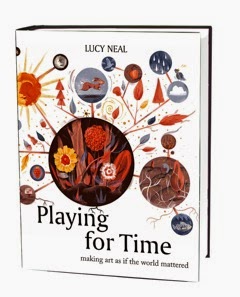
      Lucy Neal, who founded TTT in 2008, has been spending the past two years writing Playing for Time, her book about making art as if the world mattered.
      Playing for Time joins the dots between key drivers of change in energy, finance, climate change, food and community resilience – and offers ‘recipes for action’ for readers to try.

      It’s a wonderful collection of how artists round the globe are at the same time imagining the future and working in the real world on what matters to us all.  

      The book is not only for artists, and one of the points of the book is to encourage us to look out and across our silos of specialism. 
      Dip into the 400 pages…you’ll be hooked!

      It’s Lucy’s book, and it’s also a collaboration with sixty other contributors…so it’s a great representation of the spirit of joint action, connecting with others and local solutions that we can share as ‘Transition’ values. And yes, there is quite a lot about Tooting in the book!

      Playing for Time was published last week, and TTT blog readers can order the book from the publishers now, and get £5.00 off the price.
      To order, enter this discount code: ONPFT2015 at Oberon Books.
      Offer valid until 31 Dec 2015…but no need to wait until then.

      2  Energy from the kinetic force of footsteps (or footballers) 
      “My idea was a floor tile that would convert the kinetic energy from a footstep into electricity” says engineer Robert Kemball-Cook about his invention that provides off-grid power anywhere. It’s expensive now – but We are establishing a whole industry that never existed before.”  
      Read about Pavegen here

      3  Flexible pv panels
       Another engineer, Perry Carroll took ten years to develop a new kind of photovoltaic panel. “Solar is moving from being a hard, inflexible and one-colour product to being soft lightweight, flexible, and maybe multicoloured..” Read about The Solar Cloth Company here

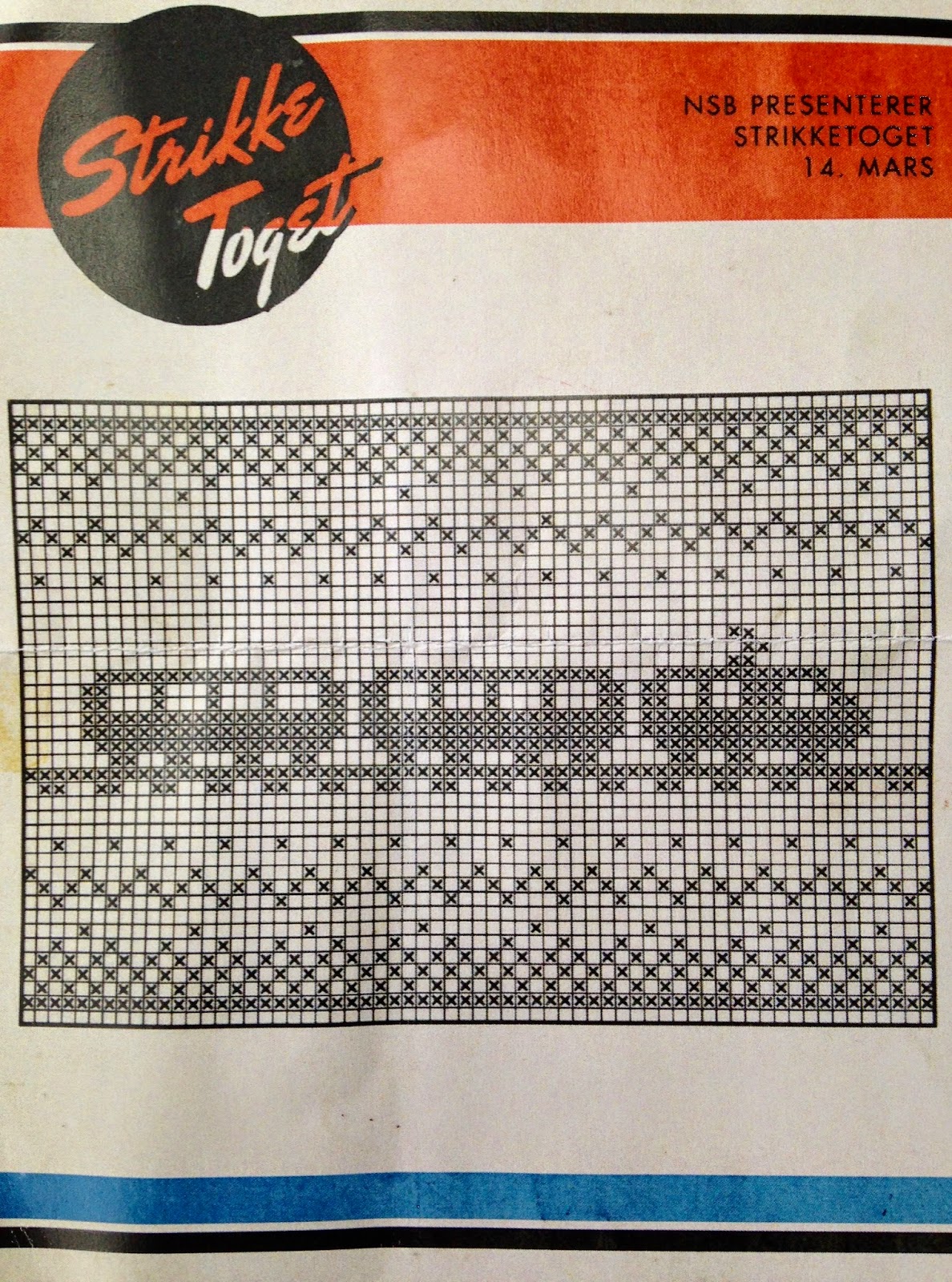
      Strikketoget The Knitting Train

      On a four-hour train journey in Norway last week, I was invited to come to the knitting carriage: learn the skills as a beginner, or practice with new patterns; all materials provided; all ages getting together.
      The tagline: Lære noe nytt. Ta toget. Learn something new. Take the train.

      What could be offered to learn and enjoy on our trains?


      5  The Green Viking helps with composting toilets
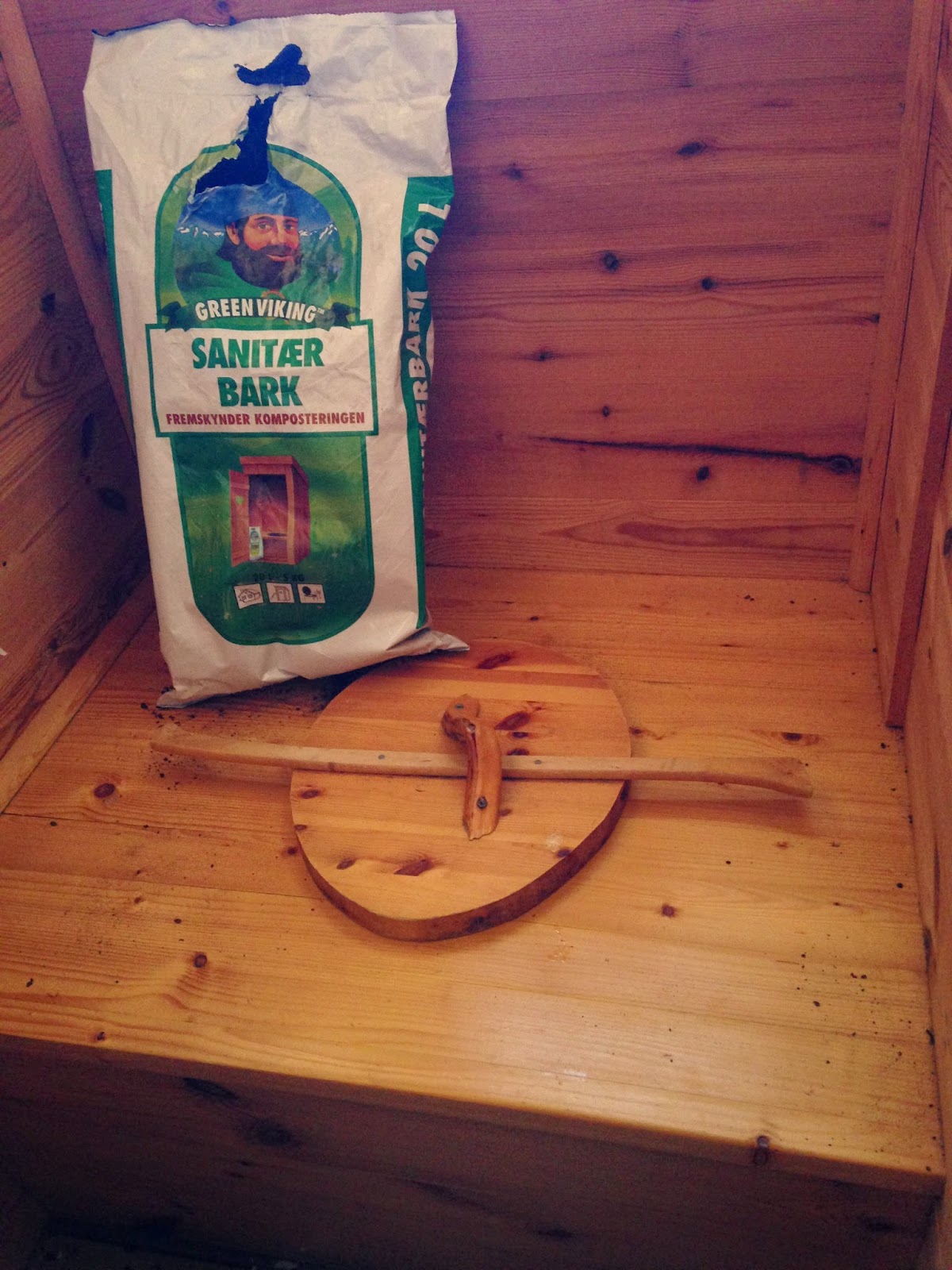
      That train journey led to a ski trip. There were composting toilets in every cabin. Waste bark has been re-purposed and repackaged by an enterprise in Sweden, to provide that magic Green Viking extra.

      In Bangladesh, the wonderfully-named ‘Value at the End of the Sanitation Value-Chain’ project takes the process to the next step, and finds gold at the end of the compost rainbow. 

      How can we be more creative about composting in Tooting?

      Solspeilet The Sun Mirror
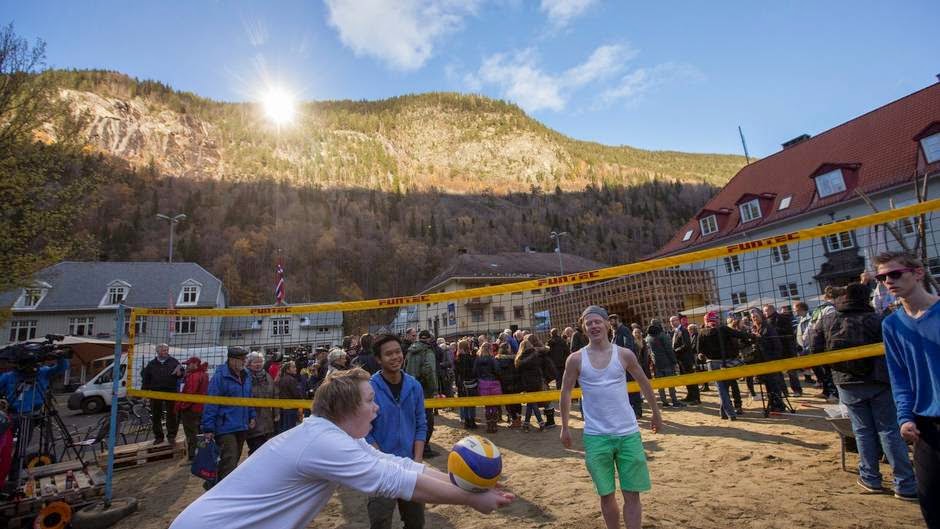
      The ski trip in Norway finished in Rjukan, where the Sun Mirror project conceived by artist Martin Andersen reflects sunlight into the town in its deep valley, which has no direct sun for half the year. Such a ‘simple’ idea.  

      What would we make in Tooting that could have an impact on social and personal wellbeing?

      7  Institutional fund divestment from coal, gas and oil
      You probably know about the global campaigns to get investors to divest from carbon-intensive industries… see 350.org’s Go Fossil Free .
      Last year the Rockefeller Brothers Fund decided to start a process of divestment from coal, gas and oil, saying “it is our moral duty to divest from fossil fuels”. (Yes, John D Rockefeller founded the oil empire that became ExxonMobil).

      Oslo City is selling the coal investments in its pension portfolio next month…which other cities will follow their lead? 
      Last week the Guardian Media group pledged to divest its £800m fund from fossil fuels. 
      And on April 1 it was reported that Jeremy Clarkson has experienced a conversion: he’s signed up with the Guardian to be a ‘poster person for the carbon-haters’.

      Three weeks ago the Governor of the Bank of England defended a Bank study which investigates the risk of an economic crash if action on climate change renders oil and gas assets worthless (because reserves will have to be kept in the ground to reduce atmospheric temperature increases). Corporate insurers might take a huge hit…will that send a signal to investors?

      Sophia McNab and ShareAction have invited anyone interested to join a meeting at BP’s AGM on April 16th, “to show investors that we want action on climate change”. Sophia led TTT’s session on personal pensions last December and you can contact her here to join in or get information about ShareAction’s ‘AGM Army’

      Back to Tooting, where we all have the potential to act, urgently and locally: 

      Re-used materials in a garden project
      Two colleagues from Tooting Outdoors are building garden raised beds with Year Four children at a local primary school.
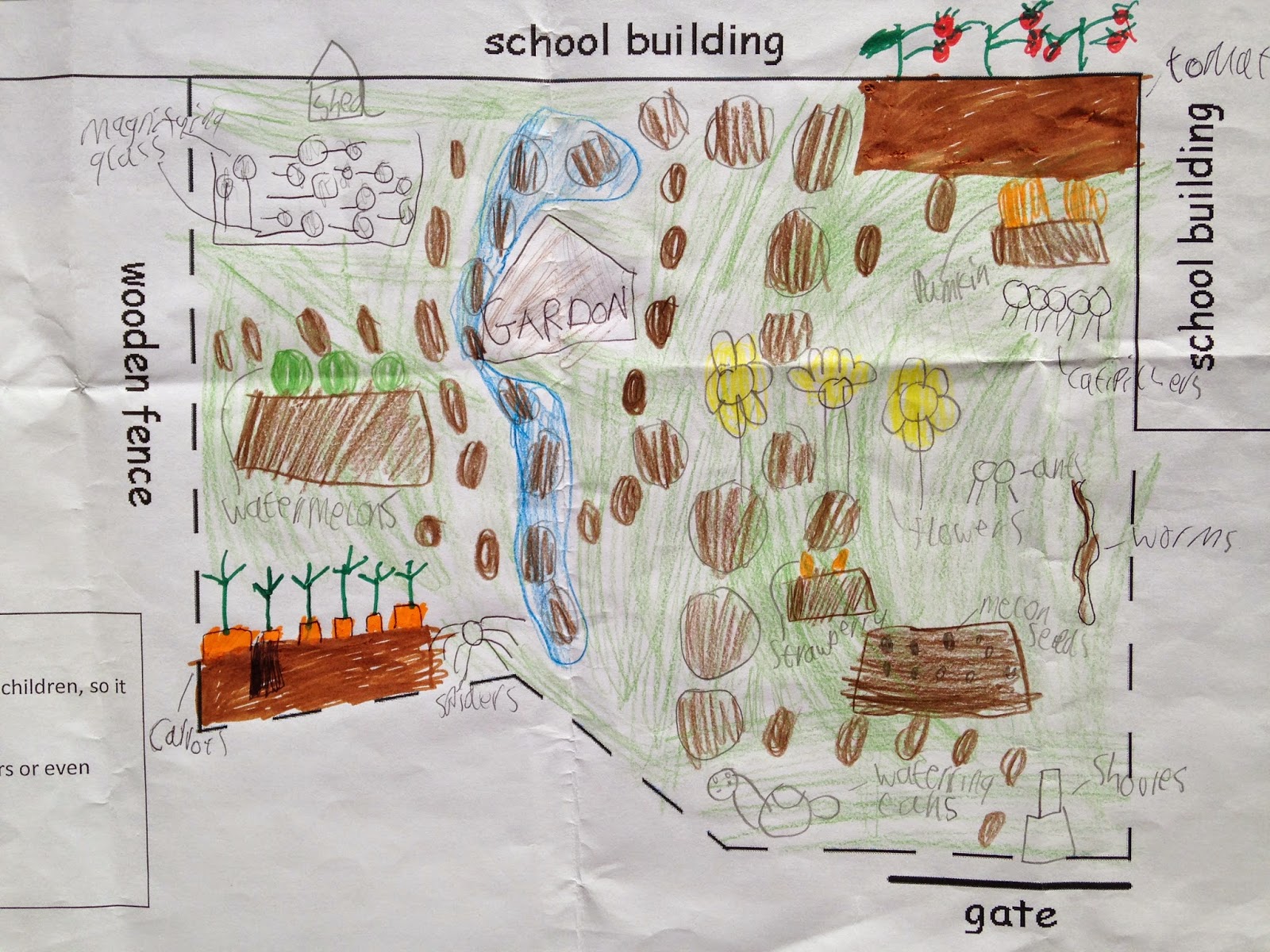
      One child’s vision for the garden
      This outdoor learning project is partly about making an empty space fruitful and delivering a useful outcome. It’s mostly about involving the children in the whole process from imagining what a school garden could be for, to measuring the site and building the beds using tools safely. 
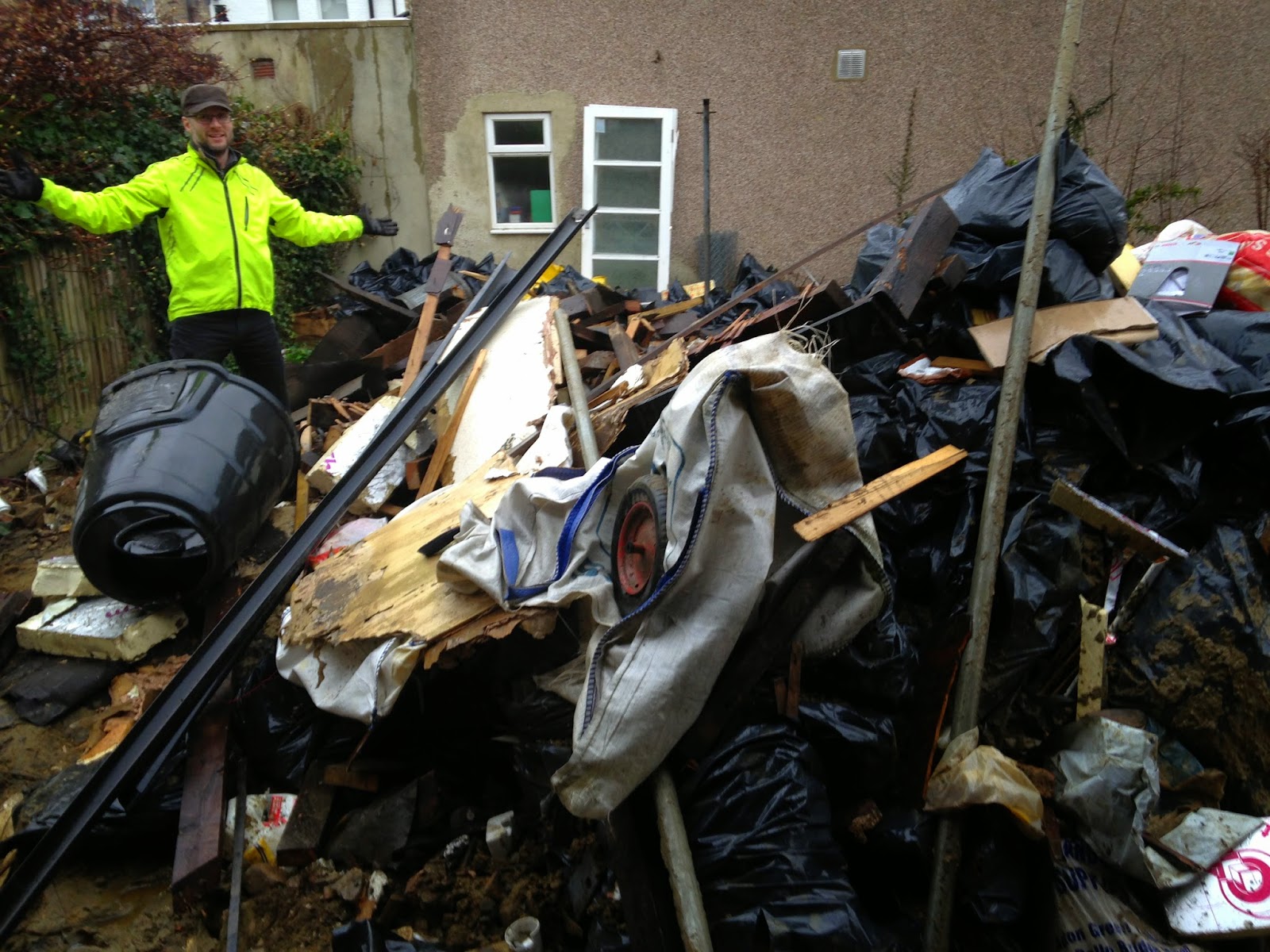
      Think of the carbon we are saving!
      All the materials are re-used / re-purposed, whether the topsoil in the beds or the timbers (100 year-old roof trusses from a house renovation in Tooting Broadway). There was a big time cost: de-nailing the timber took hours; but the ‘carbon cost’ was almost zero. The wood has paid its carbon dues.

      What ‘waste’ can you see in Tooting that could have a valuable second and low-carbon life. 
      How could we set up a service to support that?


      Thanks for reading
      We’re sharing these to encourage us all to imagine what’s possible, and to experiment with positive ideas and creative new ways of working – personal, social, environmental, and economic.   
      These diverse examples aren’t described in detail….all welcome to join a TTT meeting if you have some ideas you’d like to share to explore local sustainability in more depth.  – Charles