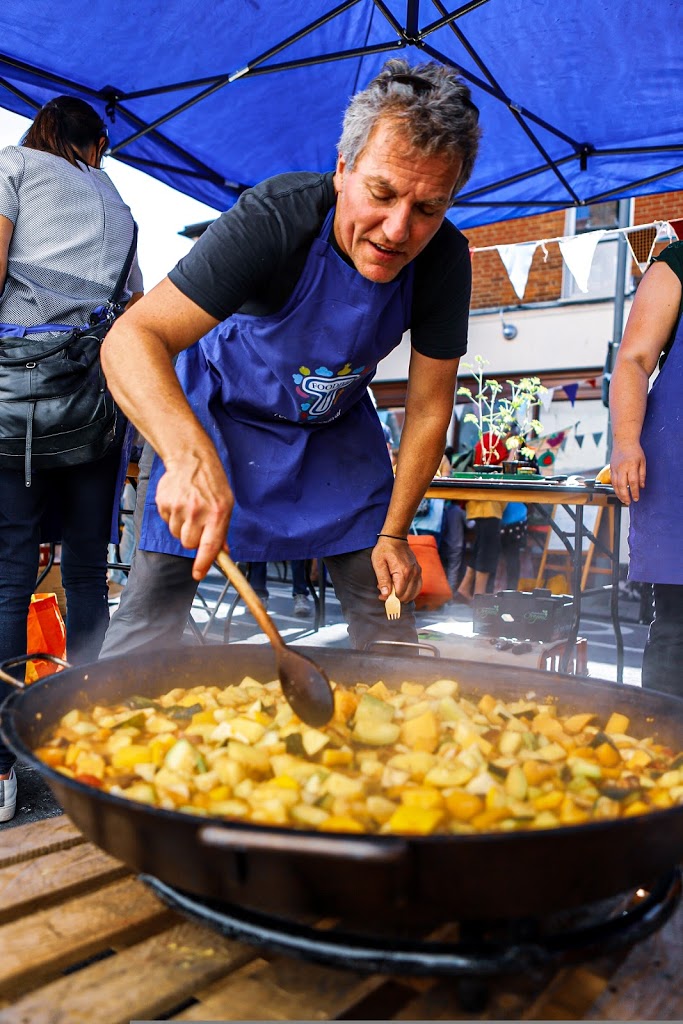
Tag: Food

  • Lockdown Love, Episode 1 – FOOD!

    Lockdown Love, Episode 1 – FOOD!

    Lockdown has been in place here in the UK since the middle of March and had a huge affect on our activities. We had to improvise quick, like everyone, and adapt to a rapidly changing context of how we live, where we live. 

    Over the early weeks, our growing core group found our niches and put what energy we each had into developing outward facing projects to help our community, both near and far, using networks nurtured with love for over 10 years. 

    Over the next few days, we’ll be posting what’s live and how you can get involved. We’ll be sharing projects about public space and building community with more posts cooking up.

    Never know, Transition Town Tooting maybe fertile ground for collaboration with you!

    This episode is all about food and offers four projects: Vegetanuary! – an online group focused on celebrating and sharing vegetarian and vegan cooking; Foodival2020 begins! A callout to share food growing stories and a date for the diary as we stretch to imagine our annual food festival in September; Tooting Community Garden has been sharing the wonders of nature in Spring and looks to future projects and our Neighbourhood Seed Swap in direct response to a huge spike in interest in growing your own. Do read on…


    Vegetanuary! 
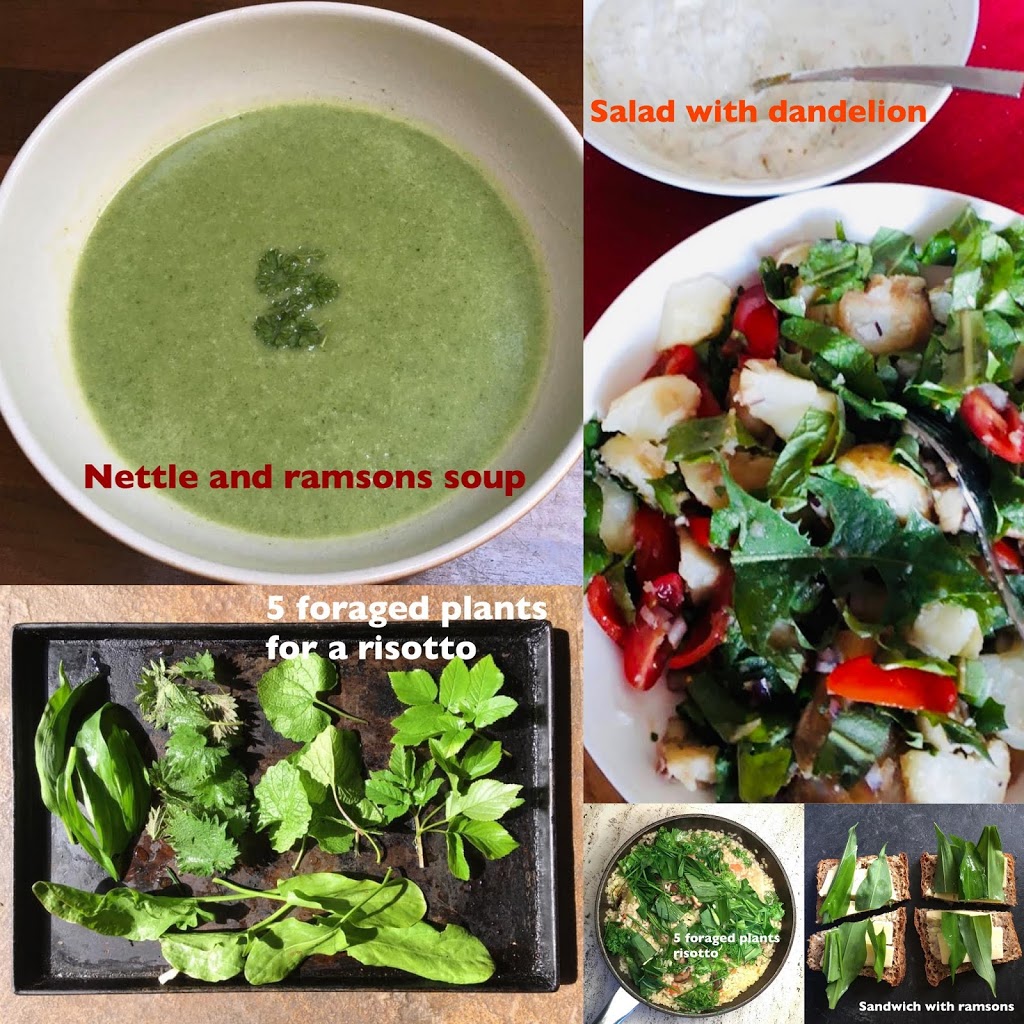
    Vegetanuary! was already an online group focused on exploring vegetarian and vegan foods during January each year. It was a no-brainer to re-imagine the group and apply to lockdown to share recipes, support each other and encourage experimentation for people’s wellbeing. Click here to join.
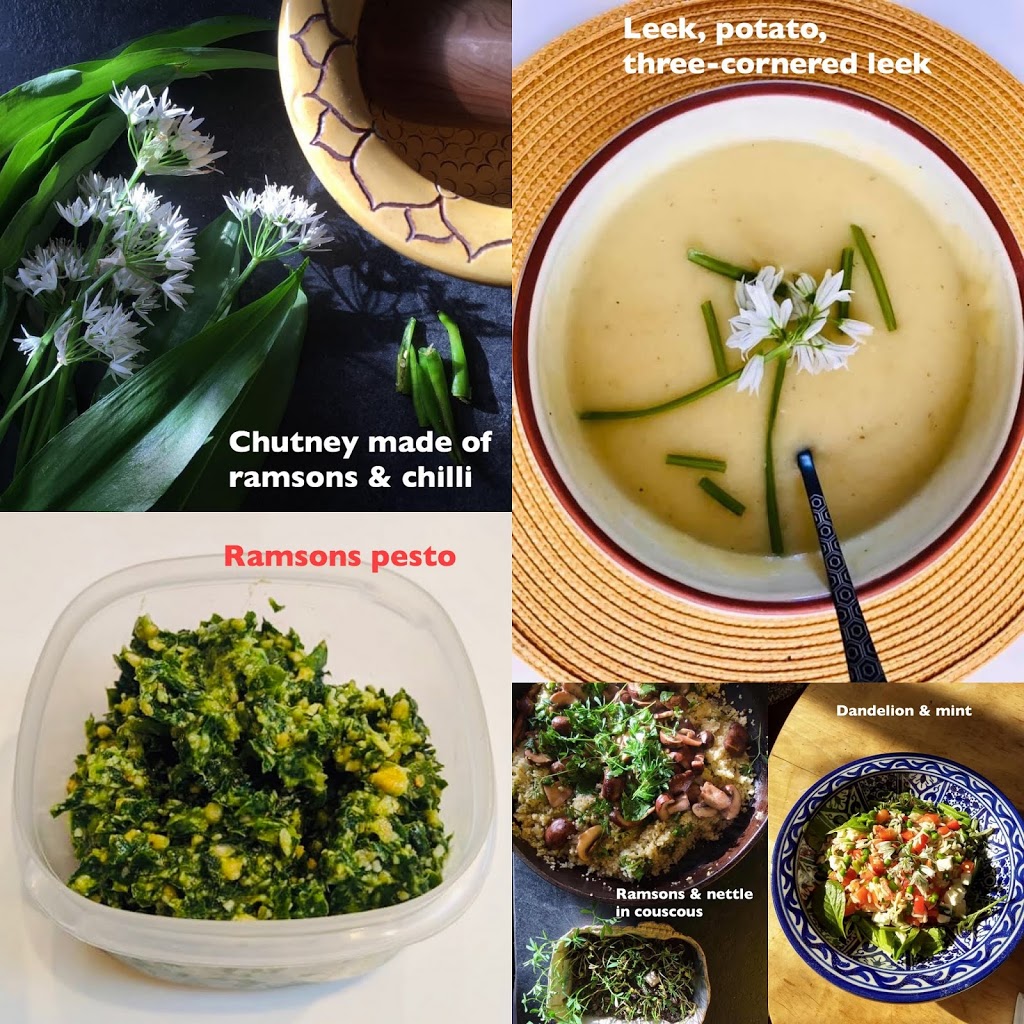
    Over the last 10 weeks, this group has grown from 150 to over 200 people from Tooting and beyond. We have contributors from Colombia, Sweden,  China the USA and more.  The pictures show 3 course meals with locally foraged ingredients. Anyone know what ramsons are? Answers in the comments please! 
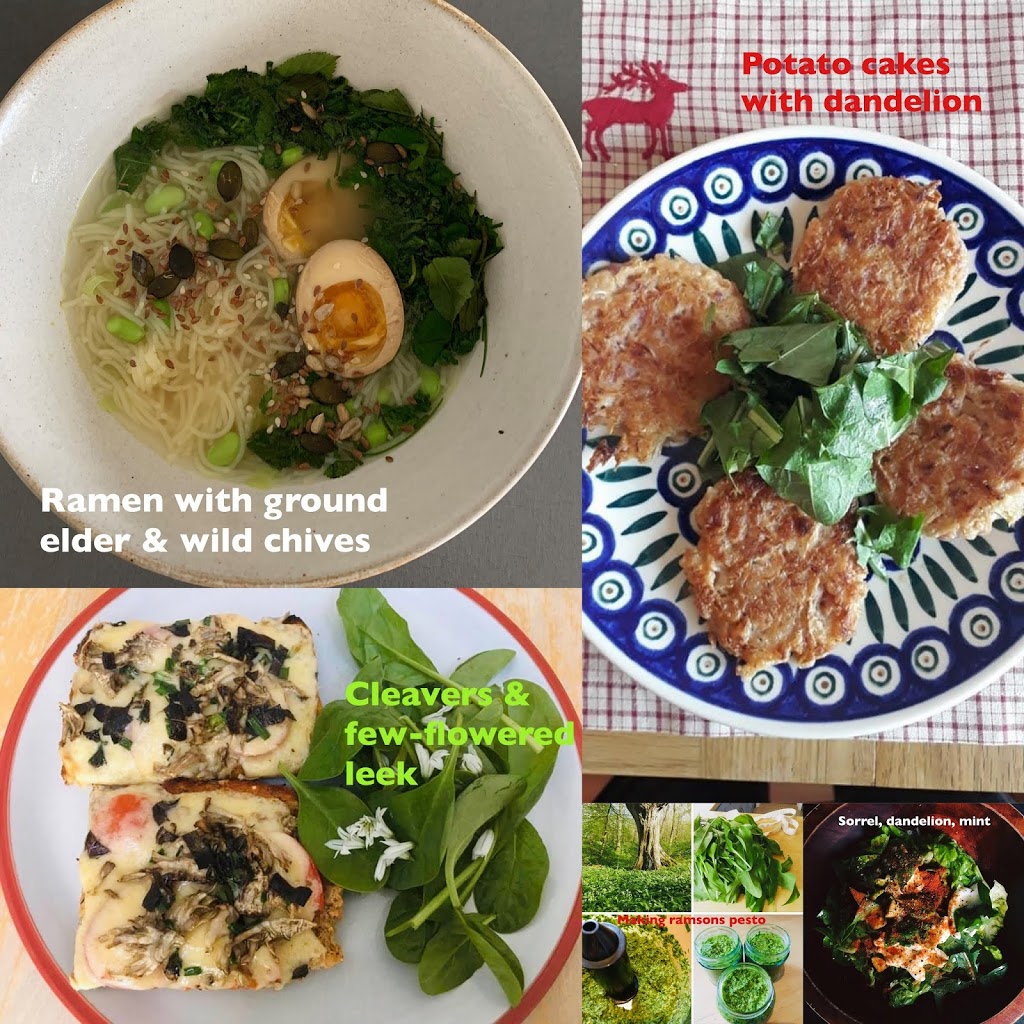
    As lockdown eases in the UK this coming Monday, the group, based on Facebook, are sharing recipes for picnics and BBQs. Could be dips or pickles, bread or cakes, flans or tarts, salads or jelly, sweet or savoury. What would you make? 


    Foodival 2020

    The Foodival team are variously working as chefs, delivery drivers and mental health support workers in their spare time under lockdown. We are not yet certain what form the annual sustainable food festival will take, but Saturday 12th September is the date in the diary when we still hope to do something.
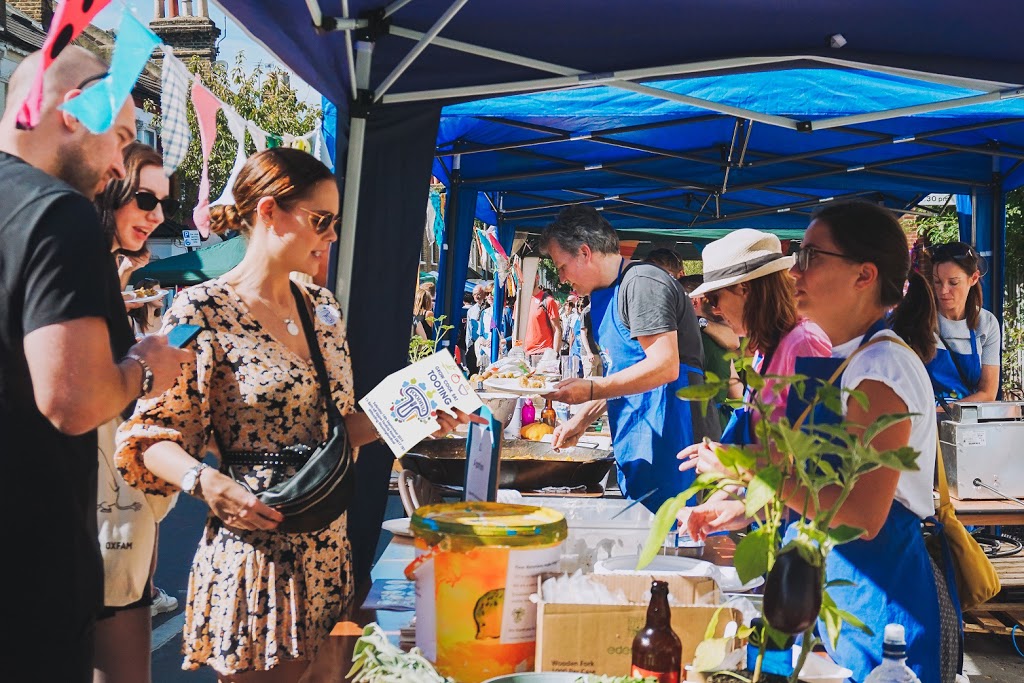
    There has been more growing and enjoying outdoor spaces over the last couple of months and we are particularly interested in hearing people’s growing stories.  Please connect with Tooting Foodival via the TTT email or on Instagram @tootingfoodival to share your story!     grow|cook|create|reduce|reuse|recycle

    Tooting Community Garden
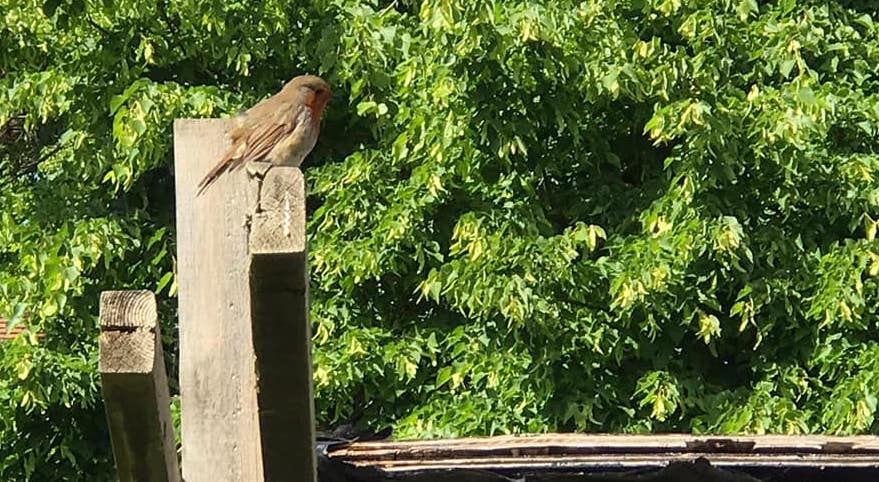
    We’ve been gardening behind 5 North Drive for many years now and are hugely grateful to Naseem and Mushkil Aasaan for supporting our growing projects there. Pre-Lockdown, we always opened the space every Sunday, from 11am to 1pm, pretty much without fail. Personally, I loved hearing the stories fo “8 people from 8 different countries of the world” attending the space – a human representation of celebrating diversity found in nature. 
     
    Lockdown has meant the garden is tended by the core group, exercising physical isolation, but shared religiously every week. Here’s last week’s post, written from the heart:
    “Another weekend of spending time in the garden without our community- but lots of things

    to do and precious moments to enjoy.
    The sage is buzzing with bees. I would love to taste that honey. The sunflowers have gone in…waiting for the squashes to share the space with them. Lots of window sill planting… waiting to find a space in the garden.
    The first raspberry is out. If it weren’t so dry…let’s see if they make it.
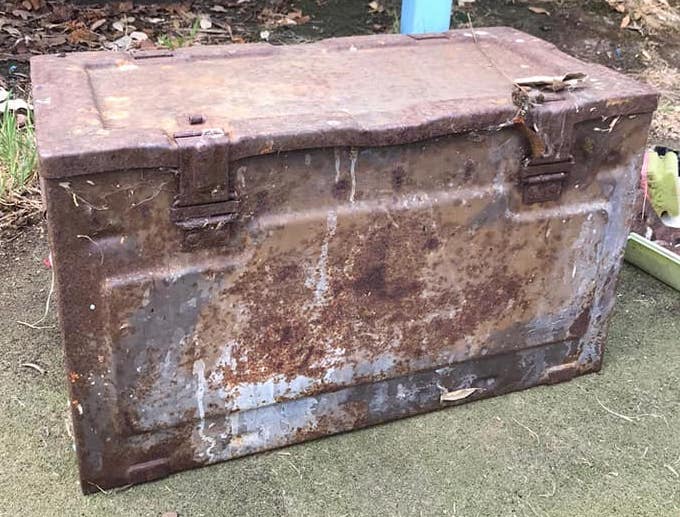
    And some tidying up jobs… finding a treasure box (of tools???) And a very tidy bottle shed.
    Compost sieved for more potting and we even tested the soil for acidity levels. And … there should be lots of brambles for those pies for later on. 
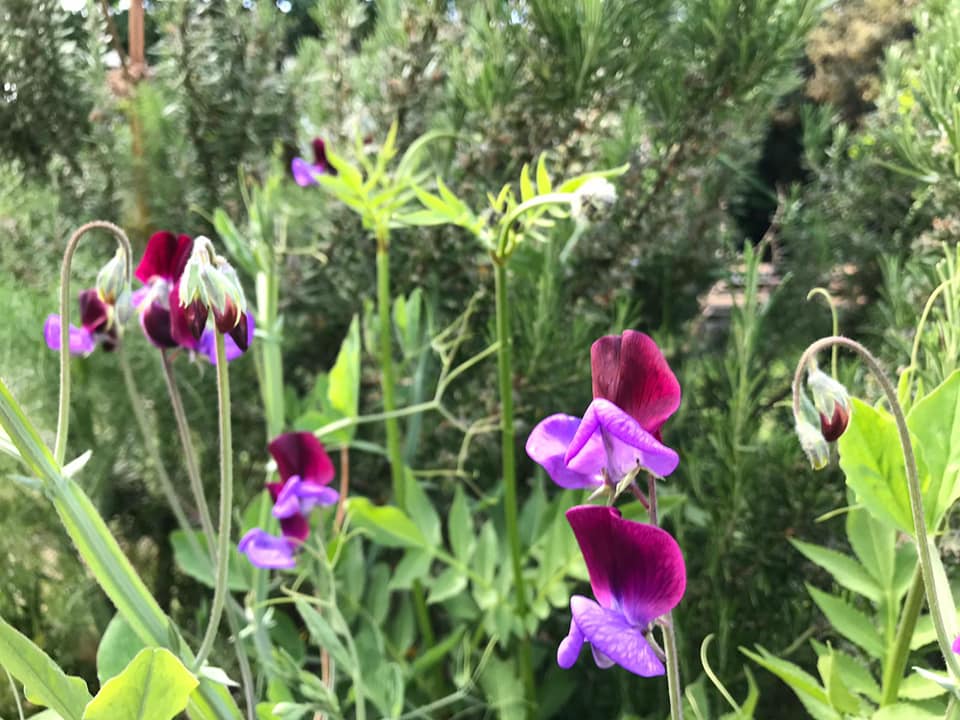
    Hope to see you soon” 


    The group is looking forward to hosting children groups in the Summer and needs help re-imagining the unsafe play equipment, might you want to join in? Get in touch via transitiontowntooting@gmail.com or the garden facebook group.

    Neighbourhood Seed Swop


    Tooting is quite a large area, consisting of neighbourhoods within it – Furzedown, Tooting Bec, Amen Corner… In light of lockdown and a huge surge in people wanting to grow their own, we started a hyper-local seed swop in Furzedown. Well, a seed, plant swop and gardening advise exchange actually, based on WhatsApp, allowing people close by to offer or request seeds or plants. Extraordinary plants have been exchanged, the champion of all being a Bangladeshi bottle gourd! 

    If you’d like to get involved in Furzedown or to find out how to set up a seed/plant/advice exchange in your area, get in touch transitiontowntooting@gmail.com

  • Vegetanuary! meets… Wicked Vegan!

    Vegetanuary! meets… Wicked Vegan!

    As part of Vegetanuary this year I’ve been going along to meet the Restauranteurs of the area who are focusing on either vegan or vegetarian food to ask them some simple questions about why open that kind of place and what the feedback has been… first up, Wicked Vegan on Hildreth Street in Balham. You must go, its delicious casual food for hanging out with your mates. I heartily recommend it.

    Wicked!
    What is Vegetanuary??

    Vegetanuary! is our annual, month long sharing of vegetarian and vegan food. Anyone can join in, you’ll find lots of new recipes, ideas and articles being shared about food. Come join us on the Facebook group HERE

    Open 7 months ago, Wicked Vegan is run by businessman Gurkan Bozdere, but as he says, “I’m not a vegan, but I’m trying! My Sister in law and wife encouraged me to do something ethical”, so he opened a vegan restaurant. I think that’s awesome and the kind of change this exciting to see. Gurkan explained how he was excited about how the food business is changing, with lots more vegan restaurants opening. “I’m a businessman, motivated to be making money, but why not be ethical at the same time?” Yes! Yes! Yes! Earn a living and be ethical, let’s do that!

    Gurkan, his wife, Betty and sister in law, Necla, enlisted some expert help by the Stokey Veg & Vegan Chef Daniele Aloi to develop the menu, test out ideas and discover what Wicked Vegan has become – a restaurant full of super tasty, indulgence food in the shape of burgers, salads and wraps, washed down by smoothies, local beers and juices.

    Gurkan on the left and Head Chef Robert Drajna. Check out that menu!

    I continued by asking Gurkan, do you now eat more vegetarian and vegan foods as a result of opening the restaurant?

    Gurkan: “I eat a lot more, for sure, I eat here everyday. Mum cooks a lot of vegetarian food, I’m Turkish, we don’t really cook a lot of kebabs at home, loads of stews, lots of vegetables, no meat. Only the rice that we make that we add butter, so got my Mum to stop using the butter in the rice. Lots of the food we’re eating is vegan anyway.”

    Gurkan also discovered a motivating benefit of changing his diet… “I used to train a lot, but, never was able to loose the belly, never lost weight, it was only when I started to eat more vegan foods, that I started loosing the weight”

    I suspect opening a new business might help someone loose weight too… however he went on to say, “A lot of vegan food places opening up now are based on fried foods, we have a lot of that on the menu, but we also have a lot of healthy options, gluten free, you can have that burger on a bed of salad. Oven cooked burgers as well as fried burgers. It’s a 50/50 split.

    The famous sign in the restaurant that was revealed out front during the refurb

    Richard C: “And how has the response been?”

    G: “Really really positive. Didn’t get it right the first time. All of our packaging was compostable – cutlery and plates. Working a take away concept. But feedback from customers was you need more plates and cutlery. We made some mistakes initially. We intend to be here a long time, people really really like the food.”

    RC: “Are all your customers vegans? Or are they just people who are hungry?”

    G: “Bit of both really. A lot of vegan people bring in their friends to try vegan foods for the first time. You know, they come back, they love the food. We’ve had that as well, “I’m not vegan, so I don’t really want to try vegan food”.

    However, Gurkan’s take on it is that if it tastes good, why wouldn’t you go vegan? I’d say it has to taste good and feel satisfying for it to challenge meat based diets…

    RC: “What’s your favourite thing about vegan food?”

    G: “Eating vegan food, you really don’t feel tired afterwards. I still eat meat, but I always feel tired after. When I eat vegan food, I feel really light. I don’t feel half as tired afterwards.”

    This is the kind of thing that we don’t notice until we change something and something to learn about other aspects of the change we need to make in light of climate change, perhaps.

    RC: “What are your plans for 2019? Lets talk about sharing the cake…”

    G: “Would love to expand into Hackney, Spitalfields Market. Haven’t really looked into it, Balham branch is still pretty new, still learning. Want to feel confident that it would be a manageable step.

    Don’t forget the people who have worked at the Balham base from Day 1. Would be great to give them the opportunity of starting something from scratch, lets “share the cake”!”

    Gurkan’s talking about Kat Cox, who you can see on the wee video, Head Chef Robert Drajna and Sean Briggs. I really got the sense that they are all part of the team and integral to the success of Wicked Vegan.

    RC: “Do you get the sense that something’s going to happen this year with vegan/vegetarian food? That its becoming more the norm? Do you think you’ll  have less people coming in saying, “I don’t eat Vegan food?” ”

    G: “The complete opposite. Think you’ll get more people becoming vegan or vegetarian. We’ll eat less meat, for sure. in 10/15 years its going to be weird seeing people eat so much meat.”

    RC: “Why do you think that is, from your viewpoint?”

    G: “Because, I don’t think animals are farmed naturally anymore… people are becoming more mindful of this now, there is information out there now that is available to everyone.”

    Thank you, Gurkan, Kat and the crew, for having a chat and for the delicious chilli burger – new to the menu. Next up, I’m off to chat to Leon who runs Get Juiced in Tooting Market, deeeee-licious!

    Where should I go after that? What’s your favourite veggie/vegan place?

  • A Magical Festive Feast

    St Marks United Reformed Church in Balham festooned with vine leaves, fairy lights and candles, offered the perfect backdrop for a magical festive evening at TTT’s Christmas Dinner last night. The invite to “Norah’s Magical Feast” promised a festive culinary celebration and what a feast it proved to be!  Norah won the overall Top Tooting Cook competition at Tooting Foodival in September scoring not only for the taste and look of all her entries to three categories, but also for her exceptional use of locally sourced ingredients including fruit, vegetables, eggs and honey.

    In true MasterChef style, Norah delighted the guests with a sumptuous three course meal starting with a platter of sharing plates of courgette and haloumi fritters and three different kinds of homemade vegetable dips. Generous mains of roast salmon, lamb shank or a winter vegetable tagine followed. Dessert was a splendid affair of sticky fig pudding with salted caramel & coconut topping, roasted fruits with black cherry sorbet or a selection of artisan sheep & goats cheeses served with a variety of chutneys and oatcakes.

    Aided by her assistants Dani and Chris, Norah gave us a Christmas dinner to remember for years to come. If you want to sample the delights of Norah’s Kitchen please get in touch with her here. 
    Thanks to Bryony Williams #findmeintooting for her photos.


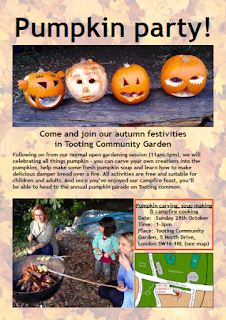
  • Pumpkin Party Sunday October 28th

    Come and join our autumn festivities in Tooting Community Garden!

    Pumpkin Party Poster 2018
    click for pdf poster

    Following on from our normal open gardening session (11am-1pm) this Sunday, we will be celebrating all things pumpkin – you can carve your own creations into the pumpkins, help make some fresh pumpkin soup and learn how to make delicious damper bread over a fire. All activities are free and suitable for children and adults. And once you’ve enjoyed our campfire feast, you’ll be able to head to the annual pumpkin parade on Tooting common!

    We look forward to seeing you!
    Sunday 28th October, 1-3pm 
    Tooting Community Garden, 5 North Drive, London SW16 1RL

  • Foodival Poster 2018

    TTT is running its 11th sustainable food festival – the Tooting Foodival – this September!  This year’s Foodival poster celebrates the core elements of growing, cooking and eating!  If you are a connoisseur of any of these activities we urge you to get involved in this year’s festival either as a grower donating some home grown produce, a cook helping to produce tasty locally sourced meals for the masses, entering the Top Tooting Cook Competition, or as a taster of these wonderful dishes on the day.  Perhaps you could be all three?!!

     
    If you interested in finding out more about Tooting Foodival 2018 EMAIL US or check out the links below:

    Download poster here
    Latest Press Release here
    Stalls Application Form here
    Foodival Website here

  • Exploring Food and Travel in your carbon footprint – stories from May’s ‘Carbon Conversations’

    TTT’s 10th local Carbon Conversations series continues – the free weekly local facilitated meetings where participants can explore their own practical options for low-carbon living.

    The sessions are not only about ‘counting carbon’ and understanding our carbon footprint; they are also about exploring our own values and preferences in a safe and facilitated setting with a small group. Understanding the meaning of our choices…. the ‘why’ as well as the ‘what’…. means we are more likely to take steps which we can sustain over time.
    Quoting one of the participants in this series:

    “The beauty of Carbon Conversations is 
    the optimism, creativity and ideas
    that are shared and emerge”


    Each of the six meetings has a theme – for example home energy, or waste. We reported on the first two sessions in this blog – read it here, and below two more participants describe the discussion points and feelings raised by the third and fourth meetings: about food and travel.


    1 Food: probably the issue that goes to the core of our identities more than any other.
    We did an activity reflecting on all the aspects of food production that worry us most. One of the group shared a really heart-rending story of playing a game with a child where they had to mime different animals. They wagged their tail like a dog, pranced like a horse, but when asked to enact a chicken they curled up into a ball on the floor. This child only knew a chicken as a dead body wrapped in clingfilm on a supermarket shelf. It was a poignant moment…

    We also played a board game to figure out the carbon emissions embedded in all the different stages of the food production process: growing, processing, packaging, transport.

    It was illuminating, but it also made us realise the complications of solely judging things based on carbon emissions. What is something is ‘really low carbon’ but harmful in other ways? There are lots of factors to take into account.
    It also made us reflect on the foods we eat. As one group member said: ‘it does make you think….what ARE we eating?!’

    2 Travel: The slow and rewarding journey
    As I cycled to the little flat in Tooting where our intimate group meets every week to talk through the labyrinthine emotions and values of our relationships with carbon, I was reminded of my first year after graduating from university with a degree in Geography. I wanted to live overseas and make the world a better place. That year alone I took 18 flights. 
    “Take a couple of minutes to think of your favourite journey to date – and also your nightmare journey – to share with the group.” This is how Ben introduced the session of Carbon Conversations with the theme of travel. 

    There was a surprising and reassuring synchronicity to everyone’s answers about their favourite journeys. A cycle trip with friends across Europe, a train ride, a walking pilgrimage to a friend’s cottage, a botched ferry booking requiring troubleshooting cycle journeys to make it to Portsmouth on time. In nearly all the examples, the journey was more memorable than the destination. 

    And why are these journeys so memorable? It’s the slowing down, the views from the windows, the conversations with strangers, the human pace. But then one participants looks confused. “But you can’t do it to all the people all the time”.. she says, half asking, half hoping, about talking to strangers. True that. 

    So if the journeys are the most memorable, why do we all fly everywhere so quickly? Why do we insist on so many destinations?  One participant suggests that it’s ‘constructed desire’. “I don’t want to go to Vietnam”, she says, “but sometimes I feel like maybe I should.”
    And it is complex. Families are spread around the world, jobs require meetings in far flung corners of the globe, billboards promise escape on golden beaches, and that super amazing permaculture training course I’ve had my eye is in the South of Spain. So is it possible to live in the world today while maintaining sustainable modes of travel?


    Since moving back to the UK, I’ve decided to live as locally as I possibly can. I only cycle, I dumpster dive for much of my food, I grow veg in a community garden, I switch off my lights when I’m not in the room, oh and I’ve cut down on international travel, to the extent that I’ve missed a friend’s wedding for the sake of reducing my carbon footprint. 

    And here’s the moment of truth. Ben hands me my carbon footprint calculation. The USA average is 20 tonnes of carbon per person by year, followed by the UK at 15. The world average is 4.5 tonnes while the sustainable world average is 1.5 tonnes. Tanzania’s average is 0.1 tonnes. I’m feeling optimistic.   

    I look at the sheet.
    19.18 tonnes. 


    It’s the two flights I took this year. Both of them to destinations which meant a lot to me. 

    ‘Tonnes of carbon’ is shorthand used to refer to the tonnes of CO2 and other ‘greenhouse gases’ released into the atmosphere. The impact that air travel has on our carbon footprint is undeniably unsustainable! Yet our lives are so scattered around the world already that it’s near impossible to imagine reining them in.

    The beauty of the Carbon Conversations program is the optimism, creativity and ideas that are shared and emerge. The lengths that some participants go to to find solutions is admirable. So is the faith that every change each of us makes as individuals will slowly but surely contribute to a change in emissions and in the global carbon culture. 

    So if you’re looking for alternatives, then two easy things you can do are:
    Oh and one more thing.. if the journey is just as interesting and exciting as the destination, then I think we can make the journey towards a carbon neutral world also just as rewarding. It can be slow, full of surprises, and of course, include conversations with strangers – which is just what Carbon Conversations gets us to do!


    We’ll share the stories of the last two sessions in this series. And if you like the sound of the content and style of these meetings, keep in touch and look out for the next series of Tooting Carbon Conversations.  

     – Charles

  • It’s International Compost Awareness Week! Here’s lots of ways to get involved for 52 weeks & more

    Over seventy years ago the 
    organic agriculture pioneer 
    Sir Albert Howard stated :
     “The health of soil, plant, 

    animal and man 
    is one and indivisible”

    Taking care of the soil where we grow our food, making compost, reducing waste, healthy eating, exploring the ‘circular economy’ of growing plants, beginning to understand the web of beneficial organisms that exists below and above ground:  

    our gardens, kitchens, eating and shopping preferences are the forums for all of these.
    We can all learn more and make our own contributions even more valuable, right here in Tooting.


    Wandsworth Borough Council has published a post in its website about food waste and composting, and we’re copying some of the links here because they are accessible and practical ways being offered this spring and summer to learn more and share experience.

    • Firstly, there’s the Wandsworth Composting Project – all the details are here in this flier. TTT and other partners are contributing too.
    • Secondly there’s a practical workshop on composting skills on June 4th at Bramford Community Garden – here’s the flier.
    • Thirdly, there’s the Grow Your Own at Home! gardening classes sponsored by Be Enriched, taking place near Tooting Broadway and starting on June 10th. Here’s the flier.

    In June and early July there are further public compost advice sessions planned – when the dates are fixed we’ll share them.

    Home composting may look like a dark art: 
    these events will share the skills to demistify it for local residents.

    The Wildlife Gardening Forum has a website that’s a treasure house of experience, including a good web page on soil and fertility: click here to read it.

    Home composters provide a community service as well as benefiting our own gardens by returning organic material to the soil. We remove kilos of kitchen waste per household every week from the borough’s waste transport and processing. That borough service has a carbon cost as well as a financial cost – we can reduce both costs by working with our waste to recognise it as a valuable resource.


    Wandsworth Food Partnership  is complementary to these topics. It’s been developing over the past year as a network of people and organisations interested in food in Wandsworth. That means community groups, enterprises, charities, churches, gardens, schools, the health sector…

    Taking part is not restricted and maybe in time there will be thousands of members including families and individuals: all contributing to developing the local food culture in diverse ways.
    There’s a WFP facebook page, please get in contact for more detail.

      You’ll see our priorities on the WFP shopping bag:
      > Working together
      > Reducing food waste
      > Sustainability
      > Cultural aspects of food
      > Healthy eating
      > Physical activity

      Over the next twelve months the partnership is going to act as a hub: inspiring, celebrating, sharing, linking and reaching out to as many local groups and people as possible in each of these priority areas.

      These food priorities can all interrelate locally to inspire a positive food culture in Wandsworth. 
      In a similar way, soil organisms combine to create good compost in our gardens….

    • Producing A Steak Takes A Lot Of Water

      One of the reasons some of us are trying vegetarianism for January is the environmental impact of keeping animals for human consumption. The practice of rearing animals to provide food for humans is an ancient one and has been going on for at least 10,000 years. I’d argue that this has only really become a serious problem in the modern age when world human population has increased massively, ever larger swathes of land have been set aside for animals to graze at the expense of forest, and industrial production of animal product has become central in the human food chain.

      Components of agricultural water footprint (from SAB Miller and WWF, 2009)

      Some of the effects are obvious: more carbon emissions, fewer carbon sinks, excess water usage, changing climate. Taking just one of these factors I’m amazed to see that according to Mekonnen and Hoekstra (2010) the water footprint of bovine meat is 15,415 litres of water per kg, compared to 322 litres/kg for vegetables. For beef cattle 98% of the water used up is with respect to their feed.

      For more info on Vegetanuary, check out the facebook group.

      Chuck’s Vegetarian Risotto Tonight

    • Can You Give Up Meat for a Month?

      When TTT co-chair Richard mentioned he was going to go vegetarian for January, it made me think could I? 

      Some vegetables, yesterday

      Not eating meat and what it means, touches on so many of the environmental issues that TTT has tried to tackle over the years. Land and water use, global warming, animal welfare, population growth, the carbon cycle, the changing climate, human health and well-being all seem relevant. It sparked my interest. Then I saw an ad for veganuary on the tube, a campaign to encourage people to become vegan for a month.  Could I, a lover of bacon sandwiches, lamb karahi, fillet steak and recently copious amounts of turkey join in with such an endeavour?

      I think I can but… how? What will it be like? What about fish? Is anyone else out there interested? There’s only one day to decide … DT

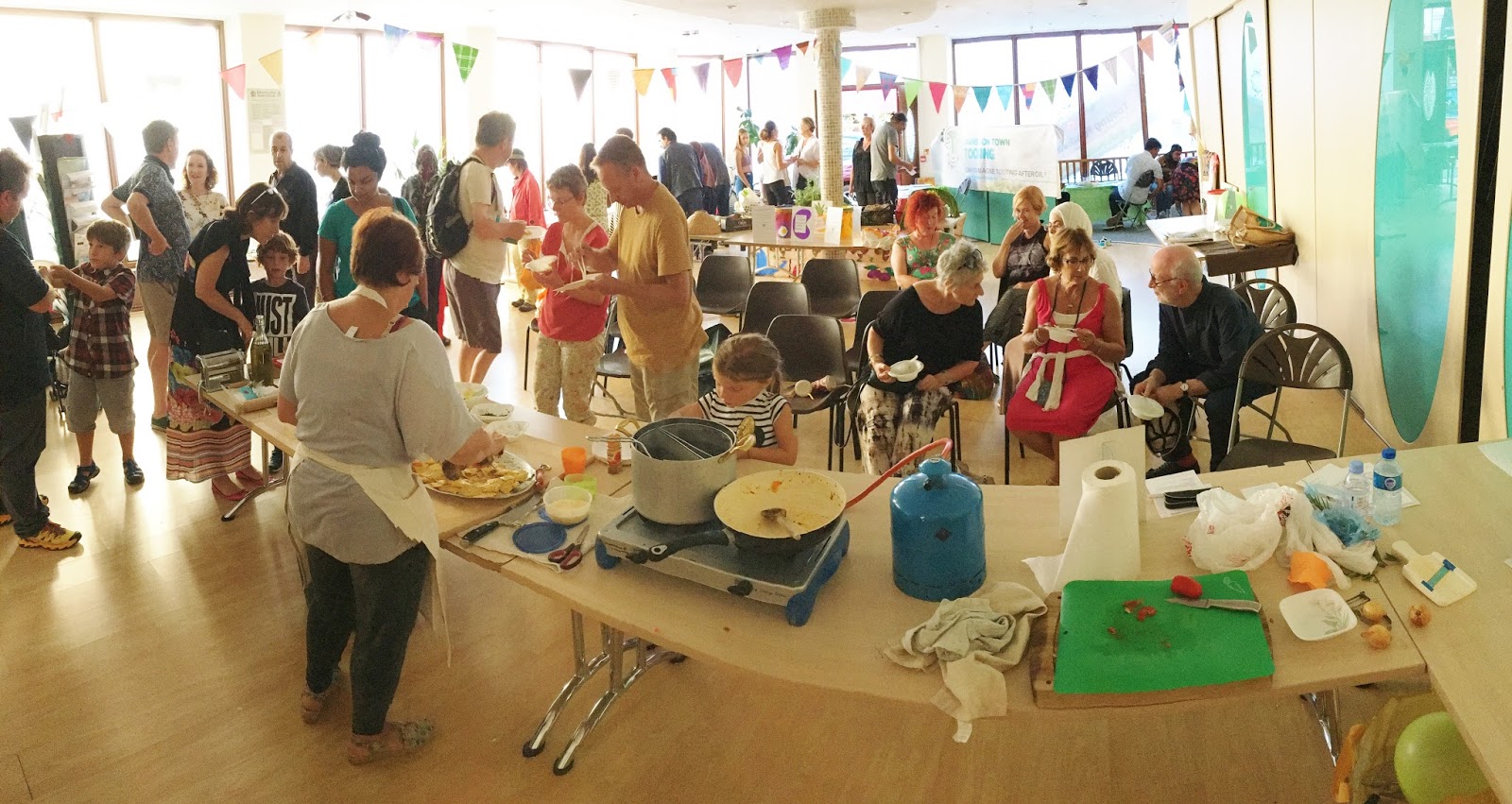
    • Building on the 2016 Tooting Foodival at home – home-made pasta recipe, plus seed sprouting

      There are new posts on our Foodival blog (click on that link) which follow up on two of the fun events at this year’s Tooting Foodival: celebrating local food together as a community.
      One post gives Minestra Supper Club’s recipe based on Elisabetta’s pasta-making demonstration.
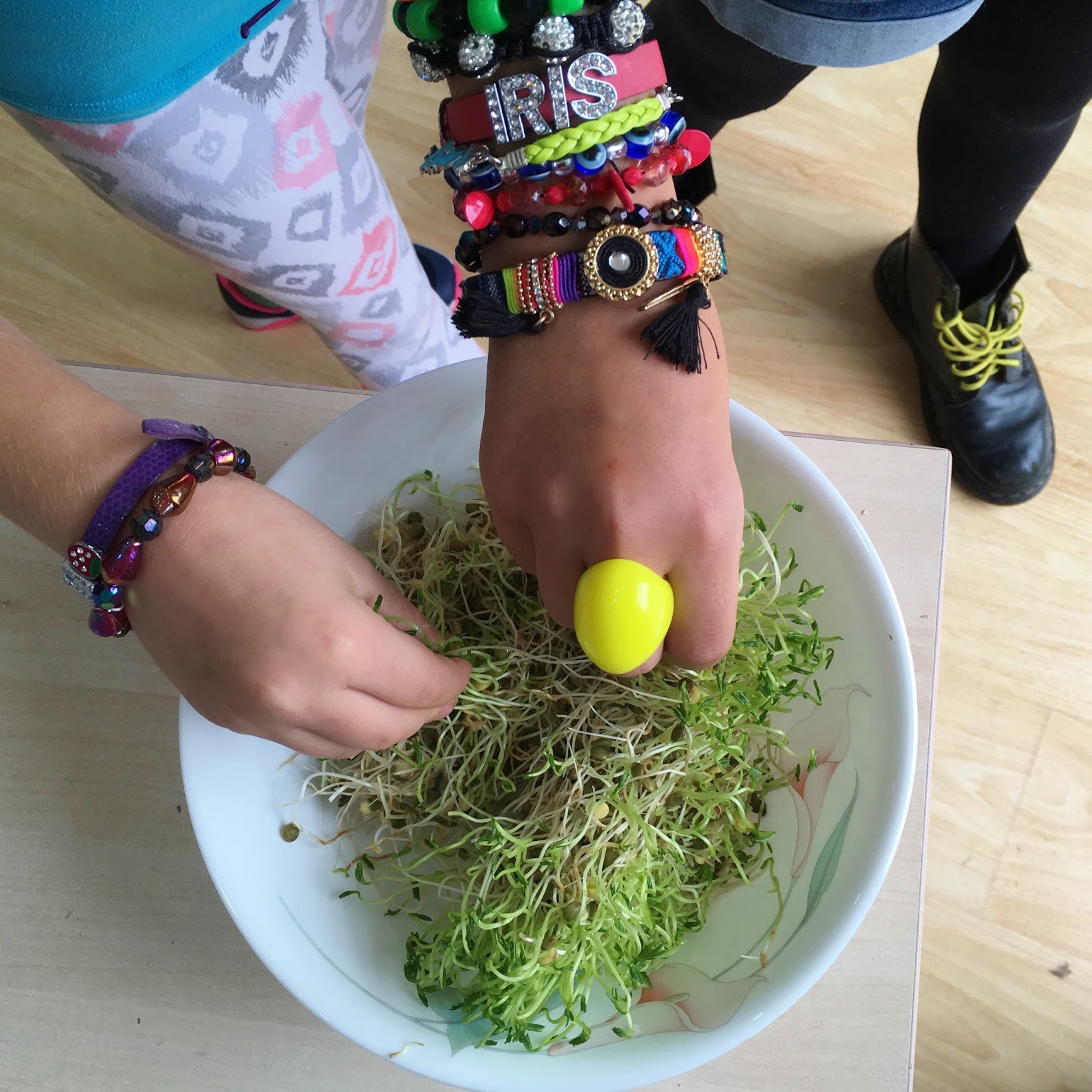
      The other shares all the how-tos of our grow-you-own home seed-sprouting crusade.
      Do enjoy both. Maybe you can combine the two…?
      Let us know how you get on!

      Both these posts celebrate local Foodival themes which have been London-wide campaigns in September: Urban Food Fortnight and Zero Waste Week
      Click for more information.