Author: Transition Town Tooting

  • Food: Carbon Conversations Meeting 5

    We’re continuing the glimpses into what we’re covering in our current series of informal Carbon Conversations. Here is the fifth…
    Participant Ben has written his own response to this week’s meeting, all about exploring carbon reduction in our Food.
    Ben’s comments:

    ” Monday evening in Tooting….cold, damp with a mid-summer mist clinging to the trees across the common.
    And here we are, huddled around Jane’s dining room table for our fifth Carbon Conversations session.
    This evening’s topic is food. As ever, the discussion is thought-provoking and far-reaching.

    We discuss our personal relationships with food. We feel that food can be the source of positive things (pleasure, socialising, creativity) as well as negative (neuroses, ethical dilemmas, health concerns).

    Then we play a board game where we assess the carbon footprint of different food items. I’d never thought about food production in such an atomised way (production, processing, packaging and transport are all very distinct parts of the production line from plough to plate).

    The game throws up some surprises.
    Frozen chicken nuggets flown to the UK from Thailand are bad all round – high carbon at every stage of the process.
    But because 48% of food’s carbon emissions are embedded in the production part of the process, a piece of Irish cheddar comes out pretty high in C02 emissions as well (the production of cheddar involves the rearing of cows, their feed, methane the cows produce, etc, which is all very carbon-intensive).

    It is also interesting to note that something that’s travelled from afar isn’t necessarily bad –slow, long distance transport of non-perishable items by ship can be quite low in carbon. So, a few surprises here!

     
    Very Local:
    British-grown, good for you!
    Very Very Local:
    Sown, grown and
    eaten in Tooting!


    What are the prospects of making lifestyle changes on the basis of all this?
     

    The prospects are good I’d say. Low-carbon food tends to be healthier and cheaper. Indeed, the best food of all is stuff you’ve grown yourself: low-carbon, super cheap, and super healthy. So, the moral of the story? Dust off your gardening gloves, grab a trowel, and get planting.
    The future of food consumption is local produce.
    It’s a no-brainer.”


    Thank you very much, Ben!
    Next week is our 6th meeting: the finale of our 8th Tooting Carbon Conversations. All welcome to join us next time we offer the series.
    STOP PRESS:

    A very relevant article titled: Planting potatoes into policy: why town planners must think about local food’ was in The Guardian on 14 May. Read it by clicking here.
    
  • Top Tooting Cook 2014

    Could you be the next Top Tooting Cook?
     
    Last year the culinary talents of many local cooks were on display in Tooting Market at the hotly contested inaugural Top Tooting Cook competition. This year we are expecting the competition to be even hotter with even more local cooks taking up the challenge.

    It’s all in the name of fun, but also to show how locally grown, locally cooked food can be tastier and a whole lot healthier for you and for our environment. As part of the annual Foodival event, taking place this year on 13th/14th September, local growers donate produce from the gardens and window boxes of Tooting that we then distribute to cooks and restaurants to produce some truly local sustainable dishes.  

    You can collect some of this home grown produce on Sat 13th or use anything tasty you have growing to create your Top Tooting Cook entry.  Bring your creations back on Sun 14th when the tastiest dishes with the lowest food miles will win some fabulous prizes, with the winner crowned “Top Tooting Cook”.

    Please get in touch with Mal if you are interested in taking part or in finding out more.  
  • Travel and Transport: Carbon Conversations Meeting 4

    Jenny has posted her response below to the most recent meeting in our ‘CC’ series. During the series we have been digging into understanding our own ‘carbon footprint’ and what it means to us in real life.

    The UK average carbon footprint per person per year now is c12 tonnes of C02 emissions. There’s a challenging and more sustainable goal of four tonnes of CO2 emissions per person per year (= emissions from home energy, travel, food purchasing and general consumption, at roughly a tonne each).

    “I offered to write a post on this, because when I did my carbon footprint, I realised that travel and transport form a significant portion of my annual carbon footprint, so it’s an area I want to improve on.
    In this session, we shared what was important to us – peaceful, safe streets, short journeys to work, lower speed limits and safer cycling. 
    We imagined what it would be like if people didn’t own cars anymore and there was a cycle super highway like the one Norman Foster has proposed. We didn’t all agree on these more extreme re-imaginings of how we travel, but we all agreed that shorter local journeys on peaceful streets would be a good thing.

    While looking at the pros and cons of different types of transport, there was a lot of debate and focus on cycling. Most people in the group own cycles and had cycled to the meeting. It’s a quick and easy way to get around Tooting, but all agreed cycling in the centre of London was not such a pleasant experience.

    Wouldn’t it be great if you didn’t have to be aggressive cycling in the city just to claim your piece of road? Would more people cycle if London was more like Amsterdam? What if the state gave you a free bike if you promised to use it more than three times a week, like in Sweden?

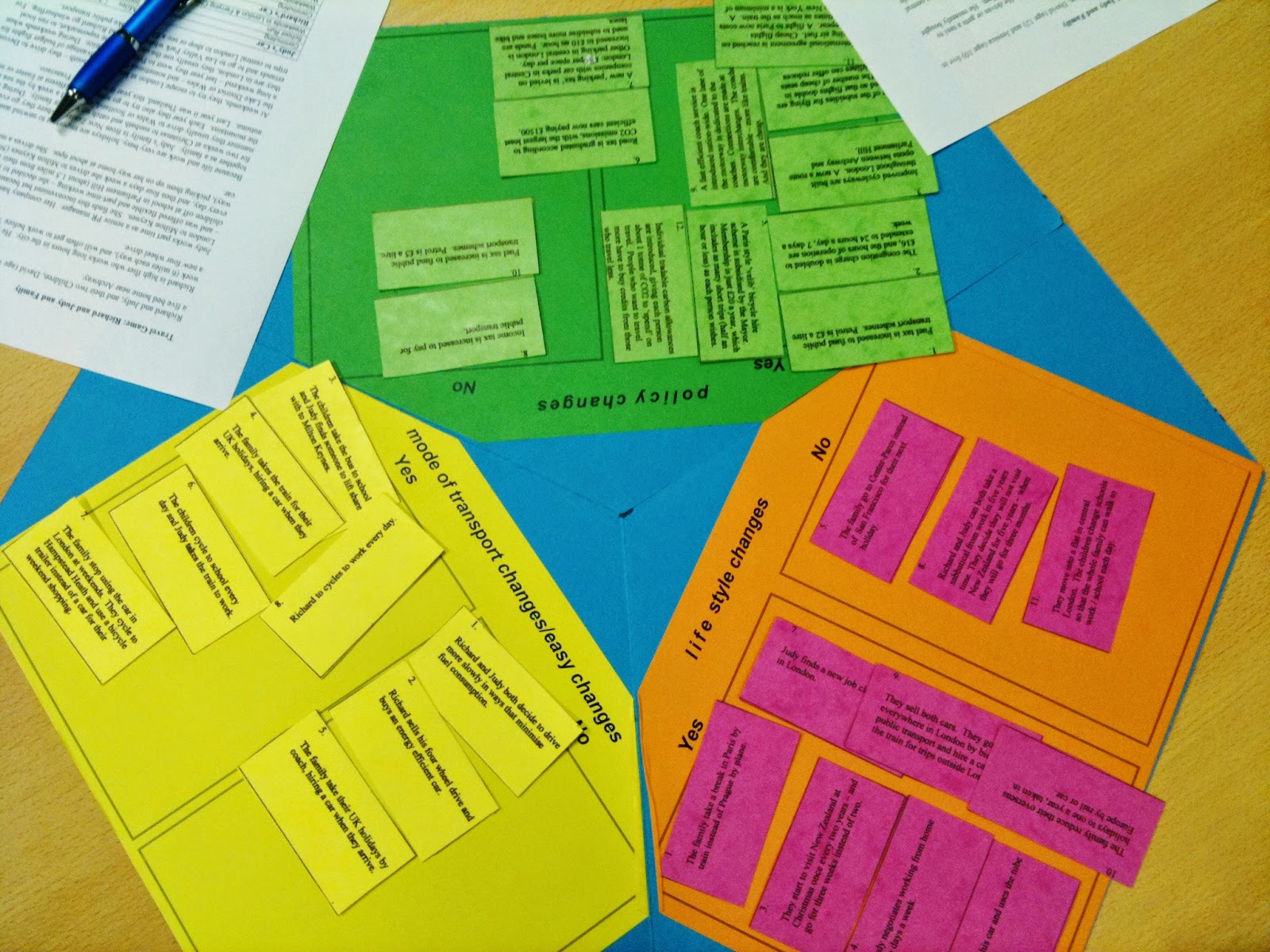
    We played a game, imagining we were a family of four making travel choices based on lifestyle, and on government policy.
    What soon became clear was that low carbon choices aren’t always made with the sole intention of doing good for the planet. More often, travel choices were made based on money or time saved – money and time that could then be spent as a family. Policy rarely influenced decisions in our game and sometimes, that was surprising.
    In the future, we may have to reduce to 1 tonne of CO2 per year per person for travel. Here’s my challenge: can I get to 1 tonne?

    I started my own travel diary and estimated my day trips & holidays.
    Here’s how my annual carbon footprint stacks up now in 2014:

    • Commuting and local travel around London: 6,396 miles per year = 0.9 tonnes of CO2
    • Day /weekend trips out of London, and holiday travel: 1640 miles = 0.3 tonnes of CO2
    • 2 return short-haul plane trips to Europe: 4 tonnes of CO2

    In total, that puts my travel emissions at just over 5 tonnes per year. 
    Is it time to cut the trips abroad or can I save enough by getting a job locally to afford me one flight a year?

    One tonne is certainly going to be a challenge!
    I’ll post a follow up on this, and from the other participants in the group”

    Thanks for these honest comments, Jenny!
    We’ll report back from the two remaining Carbon Conversations meetings in this series.
    If you would like to get into this fascinating and urgent topic, do join us in the future when we next offer ‘CC’ locally. All welcome: you do not need to be an expert, just interested in exploring your own choices, and in taking some action.
  • Tooting Community Garden Open Day 15th June – What We Enjoyed.

    On Sunday 15th June the Tooting Community Garden took part in the Open Garden Squares Weekend.
    Usually open on Sundays between 11 and 1 when anyone is welcome to come along, on the Open Day we were open all day long with a whole host of events including storytelling, human snail races, cycle for a song, broad bean harvesting and ‘guess the seed’.

    It was a fabulous day with visitors spending time in the garden.

    Here some of those involved with the Tooting Community Garden share their thoughts on putting on the open day event. We asked them two questions:

    How did it make you feel?
    What did you take away from the event?

    Here are a few of their comments, in the box below – click on the plus sign to zoom in, or see all the ‘bubbles’ by opening this link: Link to Garden Open Day Feedback


    Feedback from participants was collected on the day and we will be sharing that soon.
  • FLCZ at Furzedown Fun Day

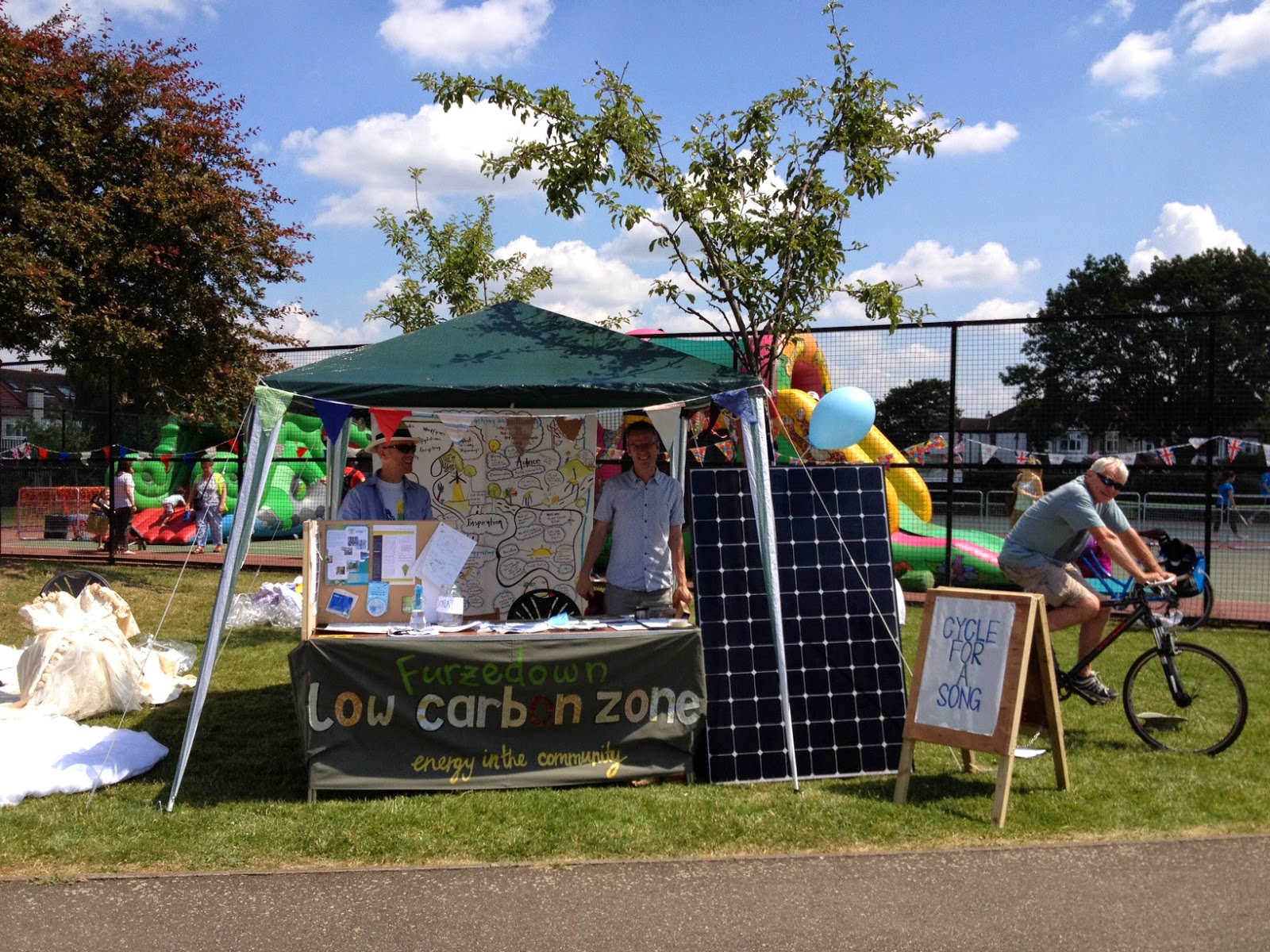
    Nice picture of the Furzedown Low Carbon Zone stall at the Furzedown Festival on Saturday.

    FLCZ Chair Giles Read (who took the photo, thanks Giles) said: “what a brilliant event The Furzedown Festival was.  The interest in the FLCZ stall exceeded all expectations, from people interested in investing to those wanting information on solar panels or just enjoying cycling for a song!” 

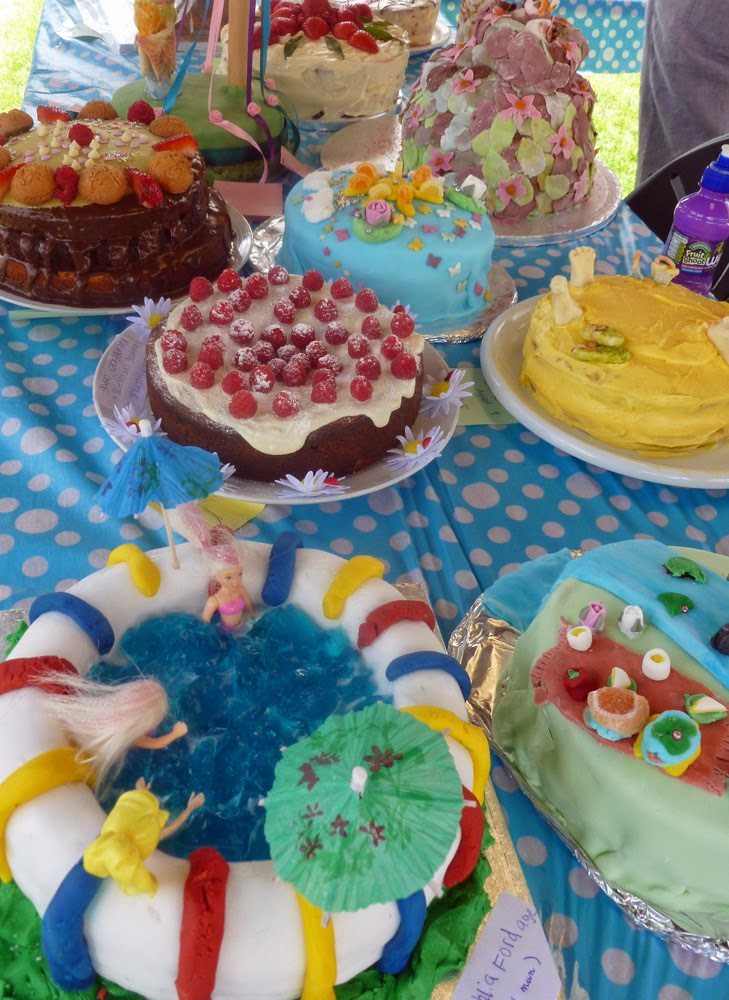
    Competition Cakes

    On that score it really is interesting to “cycle for a song” to see how much pedal power it requires, in my case 5 minutes cycling to put a “Man On The Moon” courtesy of REM.  However it’s actually much harder to power the 100W light bulb.  Some of the children trying out the bike were fascinated at the connection between their effort and the generation of electricity. Thanks again to Eleanor for the loan of her cycle power machine which has been a great addition over the last two weekends.

  • Re-used & Reclaimed: Carbon Conversations Meeting 3

    Our third meeting in the current Carbon Conversations series was all about exploring and reducing our carbon footprint in the things we purchase. That’s a big topic which ranged from ‘why do we buy stuff anyway?’ to re-use and ‘upcycling’.
    Richard is a participant and has been researching an apect of consumption: re-using building materials, He recommends a couple of interesting projects below:

    Hi all, I’m researching ways we can enable re-use of materials that come out of domestic scale renovation/extension work. This is something dear to my heart having been involved in making projects with Transition Town Tooting and at home using reclaimed timber – you guys will remember the water catchment project, (which was all reclaimed except for 5 lengths of timber that needed to be longer than the available) and the cold frame project that was 100% reclaimed materials.

    Re-upholstered chair with funky echeverias.
    Anyway, during my research I’ve found some really cool initiatives from around the world, and I thought I’d share them with you.
    Have a look at the vimeo clip from the Portland, Oregon based organisation called “The Rebuilding Center” and tell me if you give it an English chuckle or join in with the tears at the end!

    The Rebuilding Center also has done projects using bicycles to transport the materials they salvage form demolition jobs – hardcore! They also have lots of project ideas.

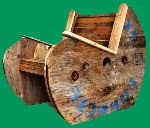
    Handmade cable drum chair

    Yooz is up in Scotland and integrates re-training in its business model.

    Ok, there’s two. Hope you like ’em and it inspires how we can better re-use the copious amounts of useful material going into skips up and down the land.
    Richard

    And thanks a lot, Richard! For more about this meeting series, click on CARBON CONVERSATIONS at the top of this blog page. All welcome to the next series we run.
    And maybe you have ideas for Made in Tooting re-use and reclamation?
    Do get in touch.

  • ‘Brightside’ article including Gatton School project in Tooting Community Garden

    Wandsworth Council’s May 2014 Brightside magazine has come though our doors, and the eagle-eyed will spot the nice short article with photo mentioning our Tooting Community Garden project with Gatton School. See it on page 8 of Brightside by clicking here.
    Here’s the photo:

    Year Six children planning how to construct the cold frame

    The article is about Project Dirt’s Wandsworth cluster for local projects: to have a look at over 90 projects, and join in, click here!.

  • Community Garden Open Day was great!

    Yesterday’s Community Garden Open Day was a lot of fun, and we’ll bring you some more updates and photos soon.

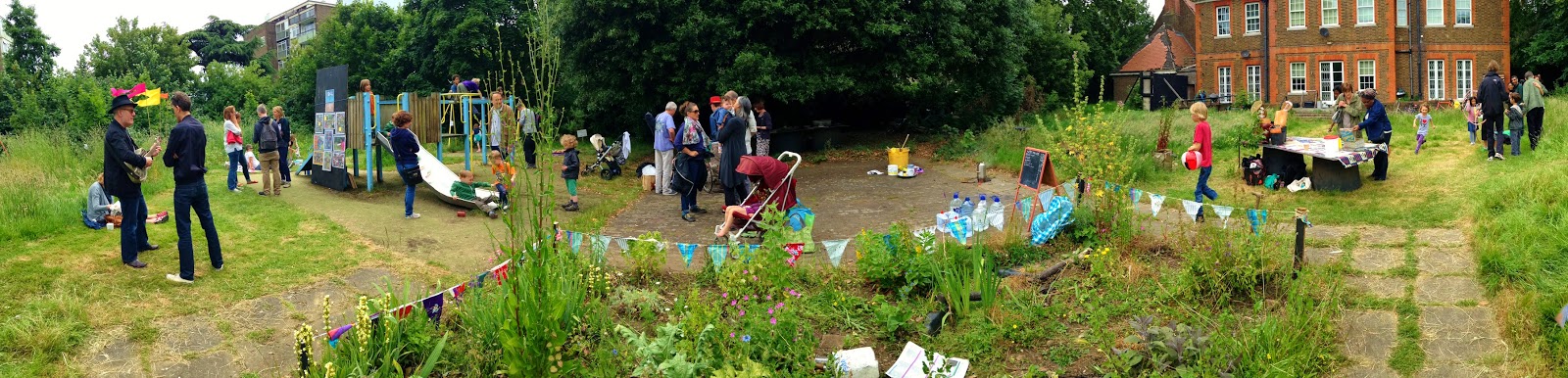
    Panorama in mid afternoon


    More than a hundred people came along: almost all of them for the first time, which is exactly the idea. There was a super diversity of visitors’ interests and we had fun with the many garden activities – something for everyone, including simply chatting.

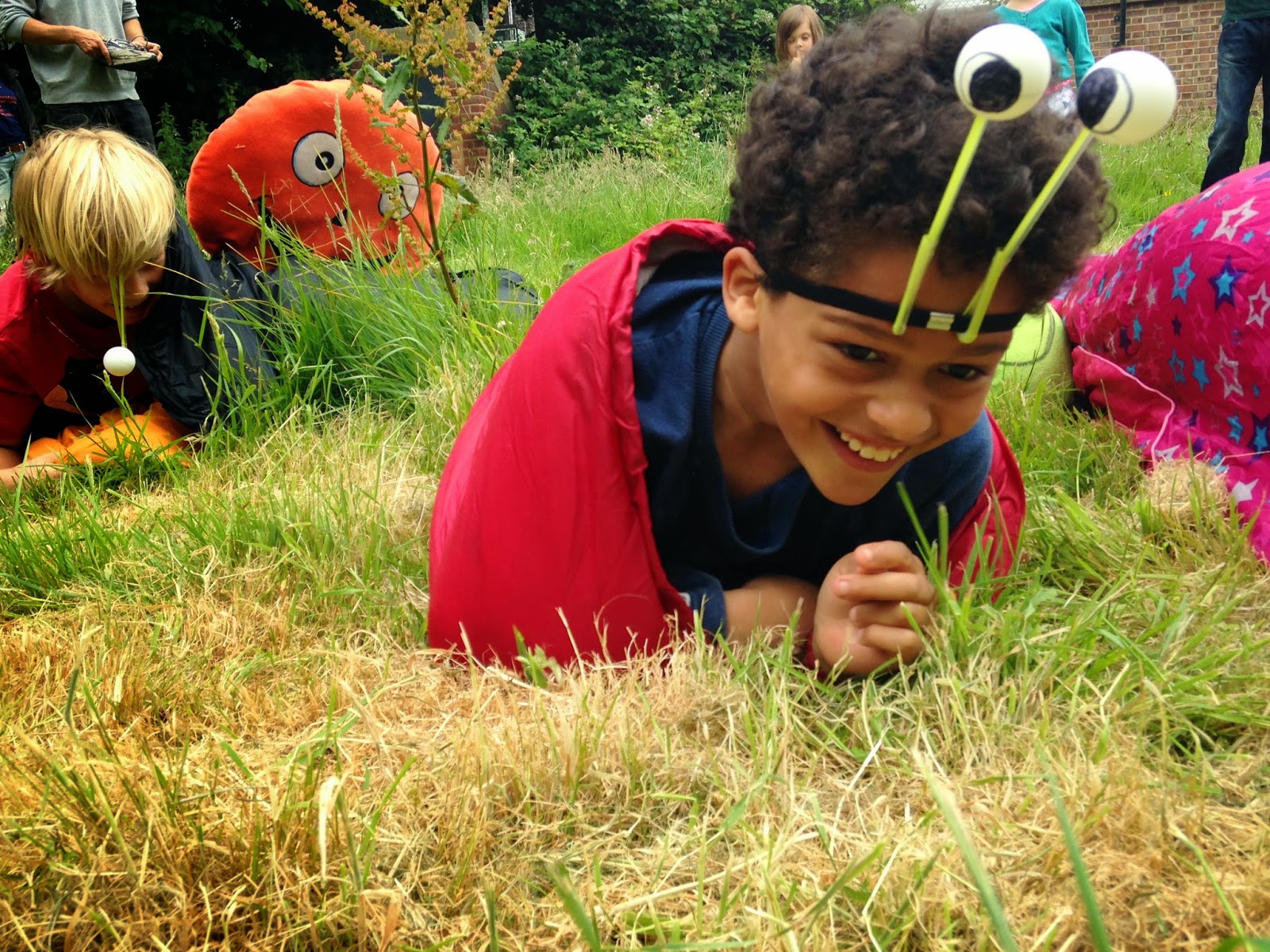
    Winning the snail race

    The crowd enjoyed story telling in the secret garden, human snail racing, games and competitions, live music, teddy bears picnic, human fruit machine, cycle powered disco, paper making, garden advice, seed swap, lemon balm tea and a number of delicious home-made cakes and treats.

    See more pictures here

    Please stay involved: All welcome to come to the Garden any Sunday from 11-1, and to continue the enjoyment by growing local produce or cooking for the Tooting Foodival on September 13th & 14th.
    To stay informed, click on GARDEN or FOODIVAL above this blog post.

  • Made in Tooting

    We have a new project promoting all things Made In Tooting. It’s the brainchild of low impact living initiative founder Dave Darby who has organised an inaugural meeting on Wednesday June 18th – all welcome.  Over to Dave to explain the concept in more detail:

    The idea is to promote local businesses making things in Tooting, and also to help people make (and grow) things themselves. We have a web address and a twitter account (@MadeInTooting) but they’re not live yet. The idea is that local businesses making things in Tooting are promoted on the website, as are the small shops, restaurants and bars stocking the local produce.
    That way, people interested in buying things made locally can find places near where they live to buy them.

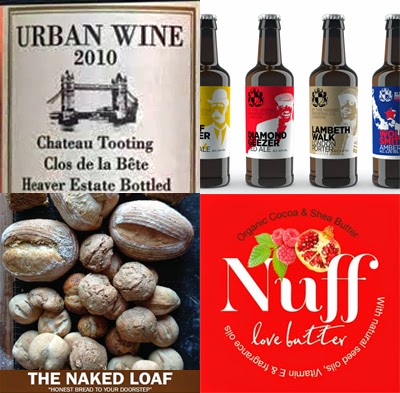
    There must be hundreds of small business making things in Tooting (as well as north, south, west and east Tooting, sometimes called Balham, Mitcham, Wimbledon and Streatham). Let’s find them and promote them!  I’ve already made contact with By the Horns brewery (beer); Naked Loaf (bread); the Urban Wine Company (Chateau Tooting!); Nuff Naturals (skin-care products). They’re all keen to get involved.  I’ve also talked to a few local shopkeepers about stocking ‘Made in Tooting’ products, and the idea was well-received. So there are plenty of things to do:

    1. finding and talking to more local businesses
    2. talking to local shops, bars and restaurants
    3. designing and building the website
    4. designing a logo
    5. making a flier to give to local shops
    6. maybe making a ‘Made in Tooting’ shelf sticker
    7. researching what other similar groups are up to
    8. helping people make and grow their own things locally

    If any of this appeals to you, and/or if you’d like to come along on the 18th, contact Dave on dave@lowimpact.org

  • Carbon Conversations Meeting 2 – Hunting Energy Use In The Home

    Report on Carbon Conversations by Eleanor. 
    On 27th May we looked at our carbon footprints and then at home energy. I’ll try to explain without jargon while recognising that learning new ‘carbon literacy’ skills is useful.

    Carbon Footprint:
    Our carbon footprint is a measure of the amount of emissions in tonnes of C02 equivalent (called C02e for short) that we use to live our lives. The average personal footprint in the UK is twelve tonnes of C02e.

    So … where would you ‘hunt for carbon’ if you want to reduce your own footprint?
    Our individual carbon footprints are made up of 5 main areas:

    As a group everyone was well below the national average, but we are all still keen to do better. The next conversations will give us the tools to take practical steps to reduce our carbon footprints overall.

    C02 in our homes
    Just to get everyone thinking we started with an exercise to determine what home comforts mattered to the group. The conclusion we came to was that once we have basic shelter, it’s all personal. Everyone has different priorities and will approach this opportunity from a different perspective.

    Turning to home energy, there are two routes to a low carbon home
    1. Use less energy (gas and electricity)
    2. Switch to an energy provider who puts renewable energy into the national grid.

    The Low Carbon Home game was a bit of fun to see if we could reduce the carbon footprint of a family house by 6 tonnes over 6 years. Some actions are free and easy to do like monitoring energy use and turning down the thermostat. Others require some time and a small investment like changing the light bulbs and some like fitting double glazing or a new boiler require building work to be carried out.


    A real life example

    The best bit was that all the points raised were backed up with a real life example. The venue for the session was in a property that had been modified to be as sustainable as possible. Susan had done exactly what the game set out to show, but in her own home.
    The house (see this link to Susan’s project) is an inspiration and it was great to see that it was achievable. The main thing was how comfortable it was, no drafts, good lighting, and still low energy. Low energy living doesn’t have to mean going without, in fact quite the opposite with the house being cosy and warm over winter. Reducing the heat losses of the house through insulation really made a difference to living in it.
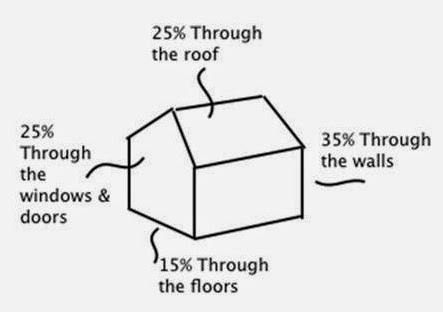
    So where does heat loss occur….?

    Worth bearing in mind if you are making any improvements to your home; it’s not all about double glazing.

    Susan’s main recommendations are:
    1.   Start reading meters and measuring, so you know if you are really reducing energy use
    2.   Explore the options,really get to know your house or flat
    3.   Plan to take steps over 2-5 years, and think about the sequencing so each step is valuable


    I can’t wait to get started on implementing some of the measures discussed here today. The next meeting on June 9th will focus on consumption and purchasing ‘stuff’, and the impact our decisions on what to buy can have.
    Thanks from all the group to Eleanor for this report. 

    Please email transitiontowntooting@gmail.com if you have any questions or would like to inquire about our next series of Carbon Conversations. Other TTT blog posts on Carbon Conversations can be found here.   The Energy Saving Trust – website here – is a practical resource for practical energy reduction tips.